
While the history of Highlands is fascinating to read about, there is also a rare opportunity to experience it firsthand at the Highlands Historic Village. Just a short walk from Main Street, the Highlands Historic Village offers visitors an immersive glance into the town’s past. This preserved collection of historic structures tells the story of a small mountain town shaped by resilience, tourism, and a deep connection to its natural surroundings. The village is managed by the Highlands Historical Society and was created to preserve and promote the rich heritage of Highlands for present and future generations. Under the stewardship of the Highlands Historical Society, several significant buildings were relocated and restored to form a central, walkable campus for visitors.
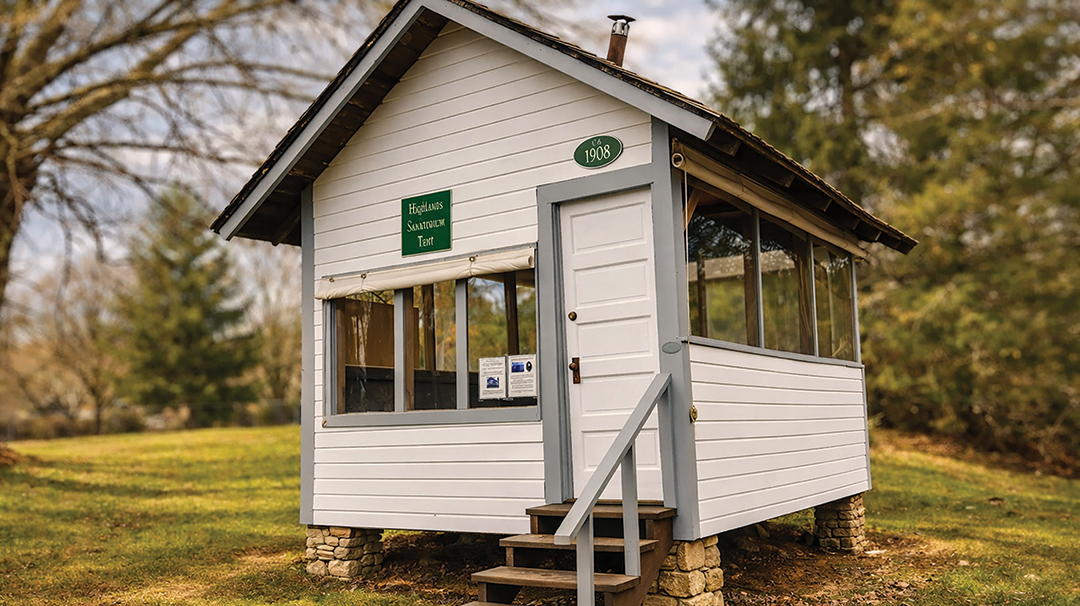
The Historic Village holds three buildings significant to the history of Highlands. Beyond preserving the structures themselves, the Society has created immersive, living-history experiences that allow visitors to step into the past. The former Hudson Library building used to function as the town’s library but today holds the Historical Society’s museum, offices, and archives. The Elizabeth Wright Prince House is the oldest standing residence in Highlands, originally constructed in 1877, just two years after the town’s founding. Finally, the Bug Hill Tent Cottage is the most recent addition to the Historic Village, with its original 1908 location not far away from its current placement.
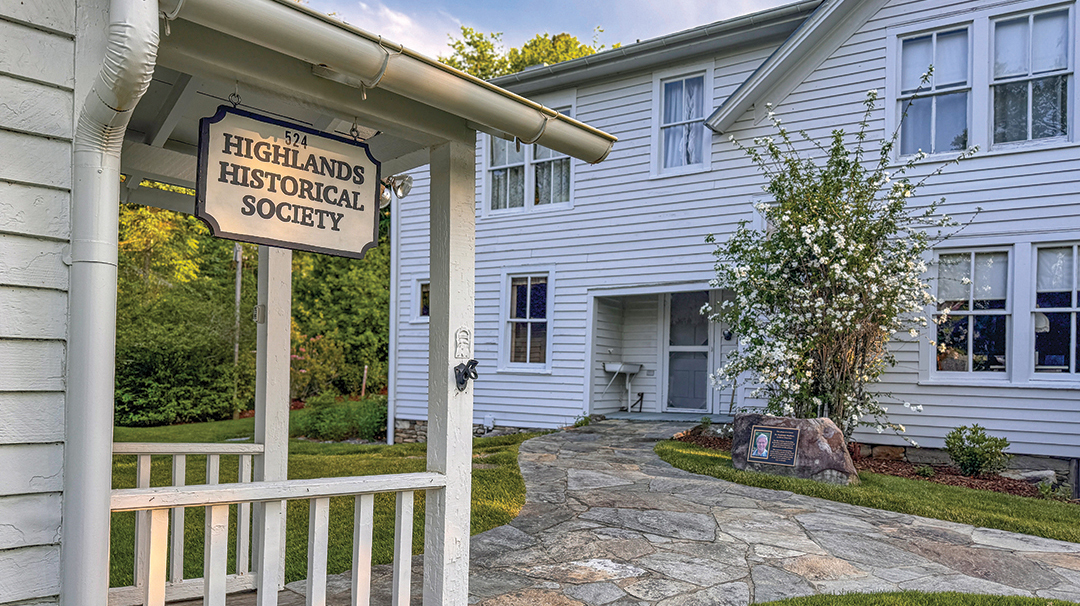
The Highlands Historical Society Museum (previously the Hudson Library), serves as the interpretive heart of the Village. This building was originally constructed in 1915 on Main Street to house the Hudson Library and was one of the oldest libraries in the State. The structure was moved in 2002 to the south side of the Village to serve the community as a state-of-the-art museum and archives. Inside, exhibits trace Highlands’ development, including its founding in 1875 and its rise as a health and leisure destination, and recognize more recent moments in Highlands history, including our popular Highlands Veterans exhibit. The museum connects personal stories of Highlands residents to broader historical trends, educating and connecting current residents and visitors with the people who built and shaped our mountain town.
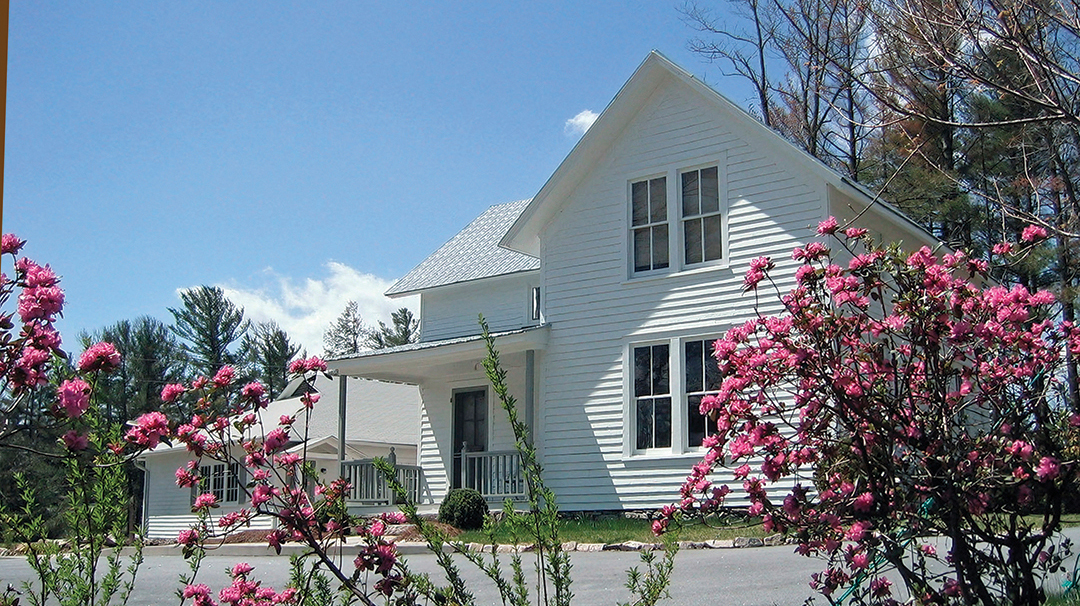
The Elizabeth Wright Prince House stands as a testament to early domestic life in Highlands. Built in 1877, it reflects the modest but sturdy architecture of the town’s founding families. In the 1930s, Elizabeth Wright Prince came into ownership of the house and converted it into a boarding house. The home was enlarged in 1935 when a second story was constructed over the rear ell to convert the property from its historic residential use to commercial use as a boarding house. This change from residential to commercial was part of a generation that helped transform Highlands from a remote outpost into a seasonal destination. The house retains architectural integrity from 1935 to 1967 in the areas of setting, location, association, design, and feeling. The home’s simple design, with its practical layout and period furnishings, reveals how families adapted to mountain living. It is thanks to tireless work by Highlands volunteers that the house is so well preserved today. The house was placed on the National Register of Historic Places on April 17, 2017.
Perhaps the most unique structure in the village, the Bug Hill Tent Cottage was built in 1908 as part of a 60-building sanatorium campus managed by Dr. Mary Lapham aimed at treating tuberculosis patients. “Tent cottages” allowed patients to stay in the fresh mountain air without sacrificing basic comforts, with a roof and four screened walls. Unfortunately, this cottage is one of the only pieces of the Bug Hill Sanatorium after a fire destroyed most of the campus in 1918. The cottage ties in nicely to the exhibit on Dr. Mary Lapham which can be viewed in the Museum building.
Inside the museum and other buildings, visitors will find a range of artifacts that bring the past to life. Period furniture, handwritten letters, photographs, and household tools reveal the rhythms of daily life in early Highlands. Some notable artifacts housed in the museum include the first traffic light installed in Highlands, Joe Webb’s tools that are responsible for many of the cabins still standing in Highlands today, and one of the largest collections of George Masa photographs in the nation.
All of this history and much more is available for you to visit this summer. The Prince House now features a self-guided audio tour for visitors to learn about Elizabeth Prince and the history of the boarding house at their own pace. We hope you will swing by to check out our exhibits, with a new exhibit premiering this season. The Museum and Historic Village are open Thursday-Saturday from 10:00 A.M – 4:00 P.M. and Sundays from 1:00 – 4:00 P.M. For those unable to visit, we invite you to visit our website at highlandshistory.com to learn more about Highlands history and the Historic Village and check out our virtual exhibit.


Favorites Count: 0