
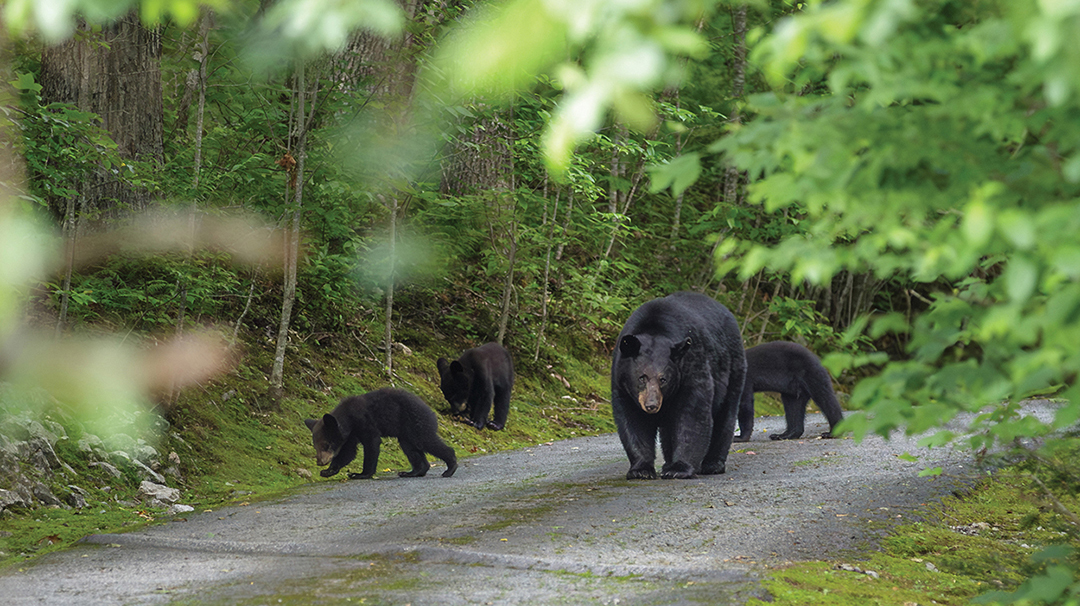
Here we are again, tucked into the deep green heart of summer.
Which means our favorite local fluffy residents are once again wandering through the forests and neighborhoods, happily filling their bellies with raspberries, roots, nuts, and, given the chance, whatever happens to be in the trash can.
Bears may be adorable, but they are also remarkably intelligent, industrious animals that play an important role in the forest around us. They help ecosystems renew themselves, support decomposition, and even enrich the soil beneath all that mountain beauty.
And while those sweet little faces may tempt you to pet them, hug them, or perhaps write them into your will, experts are clear on the matter: these are wild animals, and they deserve both caution and respect.
A bear’s powerful nose can lead it straight to your patio if you’ve carelessly left behind the remains of a lovely family supper. And while you might not mind sharing a few leftovers with an unexpected guest, the chair it decides to test out before dinner is unlikely to survive the visit. The petunias, sadly, won’t fare much better.
Experts also note that bears have a curious affection for cars. These enthusiastic little auto inspectors may seize the chance to examine your nicely appointed interior with their claws, especially if an unopened bag of beef jerky is hiding somewhere inside. A black bear’s nose is so keen it could give a European sommelier a crisis of confidence.
When it comes to pets, conflicts of interest can arise. Your French bulldog was, after all, the original star of the household, so a certain resentment toward a large new competitor is understandable. But these encounters can be dangerous for both pets and bears, which is why leashes matter and why pets should never be left outside unattended overnight.
No matter how charming bears may seem, they are still wild, free creatures. They didn’t move into our towns; we built our homes in their backyard. The least we can do is learn to live alongside them with a little common sense and a lot of respect.
Fortunately, the N.C. Wildlife Resources Commission, in partnership with BearWise, offers practical guidance and helpful checklists for coexisting safely with our four-legged neighbors.
The basic rules are simple but critically important: never leave food or trash outside; this includes bird feeders. Keep pets indoors or in secure enclosures. Secure doors and entry points to your home – door handles are not a barrier for a bear.
If you live within the city limits of Highlands and experience an issue with a bear, you can report it through the town’s website, which includes a link to BearWise.
You can also contact the NCWRC Wildlife Helpline at (866) 318-2401 (Monday–Friday, 8:00 A.M. to 5:00 P.M.).


Favorites Count: 0