
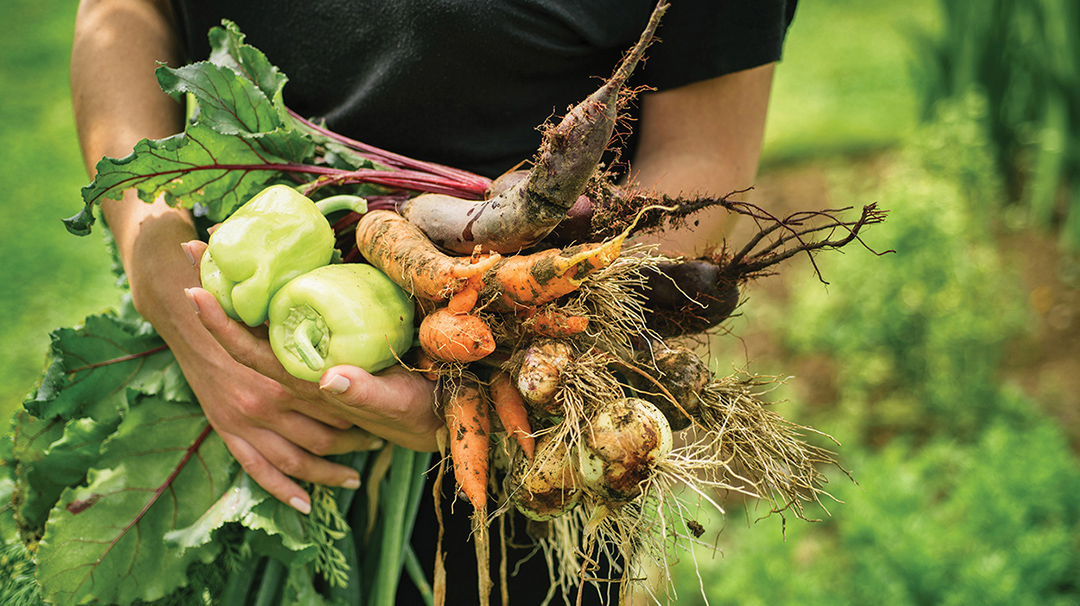
When I picture the birth of American independence, I think of parchment, speeches, and debates in Philadelphia. But for George Washington and Thomas Jefferson, liberty was expressed in another place as well: the garden. As the nation approaches its 250th anniversary, it’s worth remembering that the Revolution was not only political. It was also agricultural.
For both men, agricultural self‑reliance was a test of freedom. They believed a free nation should not depend on European imports, foreign plant fashions, or aristocratic landscape design. Instead, they imagined an agrarian republic rooted in productive land, useful crops, and native beauty.
Before independence, wealthy colonists often imported English trees and copied formal European gardens to display status. Washington and Jefferson rejected that model. To them, duplicating European landscapes suggested cultural dependence as much as personal taste.
Historian Andrea Wulf describes how Washington fought a quiet botanical battle at Mount Vernon. Even during the war, he sent instructions home to stop planting foreign trees and favor native species such as tulip poplars, dogwoods, and buckeyes. In doing so, he turned his estate into a living statement of American independence.

Debby Hall
Jefferson brought equal enthusiasm to Monticello. In his terraced vegetable gardens, he tested more than 330 varieties and recorded his results with almost scientific precision. He counted peas, tracked planting dates, traded seeds, and searched constantly for useful plants that could thrive in American soil. Wulf notes that Jefferson even smuggled rice out of Italy in his pockets to help establish new crops at home. He believed that introducing a valuable plant was among the greatest services a citizen could provide.
For these founders, gardening was not a decorative hobby. It shaped their political imagination. Washington described the young United States as a “goodly field” needing to be “judiciously cultivated.” Jefferson saw independent farmers as the backbone of democracy. In both visions, citizens who could work their own land and value their own landscape would be harder to dominate.
So as you look out at your backyard this July, remember that liberty can be cultivated from the ground up. Digging in the dirt is more than a pastime; it can also be a small act of stewardship, independence, and hope.
Recommended reading: Founding Gardeners: The Revolutionary Generation, Nature, and the Shaping of the American Nation by Andrea Wulf offers a vivid account of how America’s early leaders were shaped by their passion for the soil.
Happy Gardening!


Favorites Count: 0