
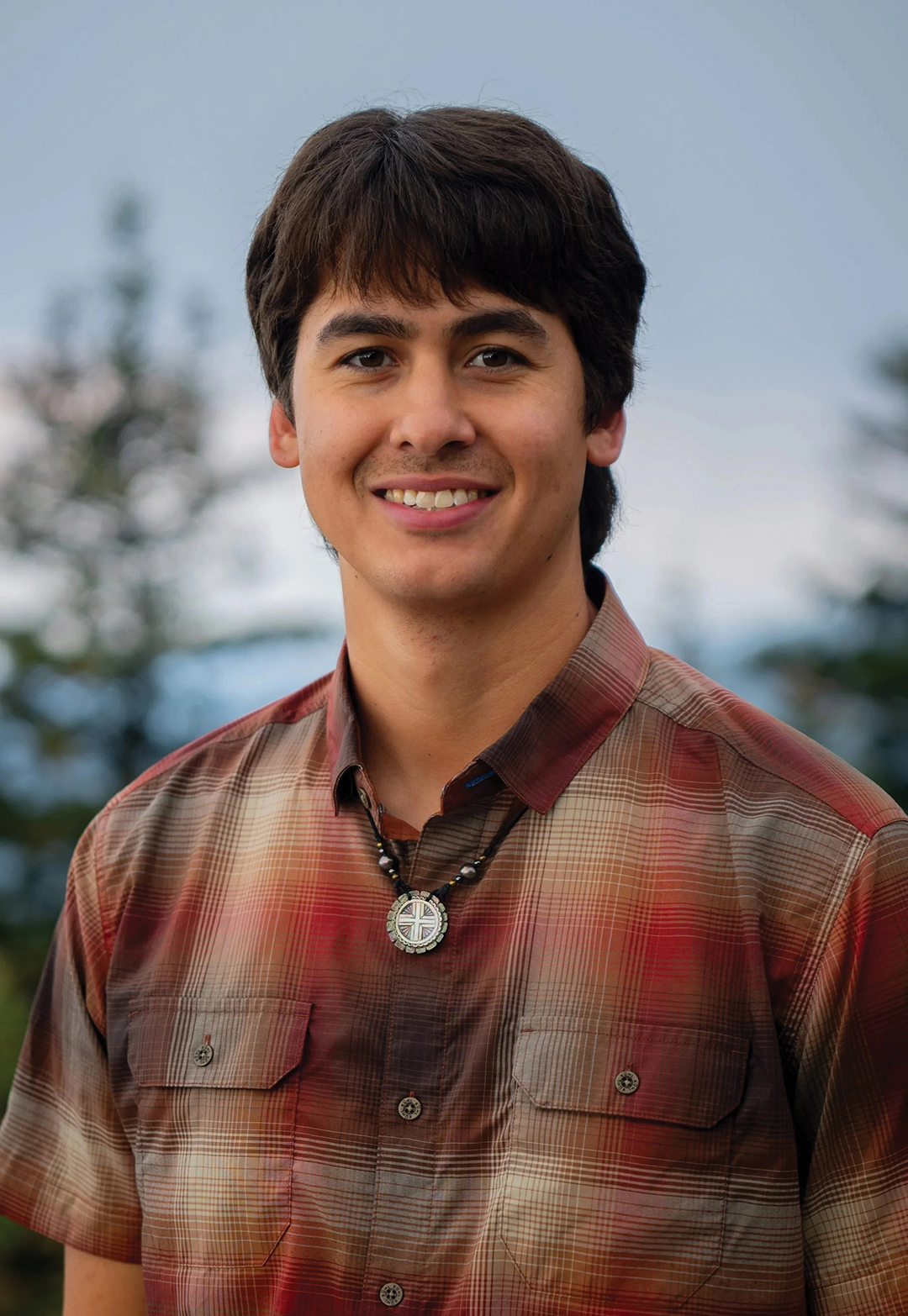
Brett Treadway
The Village Nature Series returns Tuesday, August 18, with an evening program that invites the community to consider land stewardship through the lens of Indigenous knowledge, cultural continuity, and climate resilience.
Presented by The Village Green and Highlands-Cashiers Land Trust, the free, family-friendly program will be held from 5:30 to 6:30 P.M. inside Lewis Hall at The Village Green in Cashiers. The August presentation, Indigenous Stewardship: Weaving Together Culture, Climate, and Land, will be led by Brett Treadway, Program Director with The Center for Native Health in Cherokee.
For those who love the mountains of Western North Carolina, the conversation promises to be both timely and deeply rooted. Founded in 2009, The Center for Native Health is a Native-led nonprofit organization dedicated to supporting the balanced wellbeing of Southeastern Native communities. Its work centers on the preservation and respectful application of Native Knowledge, empowering people, land, and culture while strengthening connections that have sustained communities for generations.
During the program, Treadway will share how the Center for Native Health advances conservation and stewardship efforts that are culturally grounded and community-focused. Among those efforts is the Revitalization of Traditional Cherokee Artisan Resources program, a grant initiative funded through the Cherokee Preservation Foundation. Working with regional partners, the program helps protect traditional artisan resources through land conservation, stewardship, and restoration – work that is essential to preserving both the natural materials and the cultural practices connected to them.
The Center’s Youth Conservation Initiative also reflects this commitment to future generations. Through culturally grounded, hands-on learning opportunities, Eastern Band of Cherokee Indians (ECBI) youth are encouraged to explore environmental curiosity, leadership, and stewardship. By blending Indigenous knowledge systems with modern conservation science, the initiative helps young people understand the landscapes around them while recognizing their own role in caring for those places.
Treadway will also discuss emerging work through the Center’s Climate Resilience Project and Equitable Water Monitoring Program. These pilot projects focus on climate action and the growing risks of climate impacts, bringing together traditional ecological knowledge and western science to strengthen local preparedness.
Through policy advocacy and environmental stewardship, the Center hopes to develop planning tools that can help the EBCI community better understand how climate change may affect Tribal lands and what mitigation efforts may be needed in the years ahead.
Treadway brings both professional experience and personal commitment to the topic. A citizen of the Eastern Band of Cherokee Indians, he serves as Director of the Arts, Language, and Healing program, as well as the Revitalization of Traditional Cherokee Artisan Resources program, for The Center for Native Health. Before joining the Center, he worked with First Nations Development Institute, where he supported tribal co-stewardship and co-management projects with public land agencies and Tribal partners across the country.
The Village Nature Series is designed to bring neighbors together around topics such as wildlife, conservation, and local cultural heritage. Programs are free, open to all, held rain or shine, and require no reservations.
On August 18, community members are invited to gather at Lewis Hall to learn more about how Indigenous-led stewardship can guide the care of land, water, culture, and community.


Favorites Count: 0