
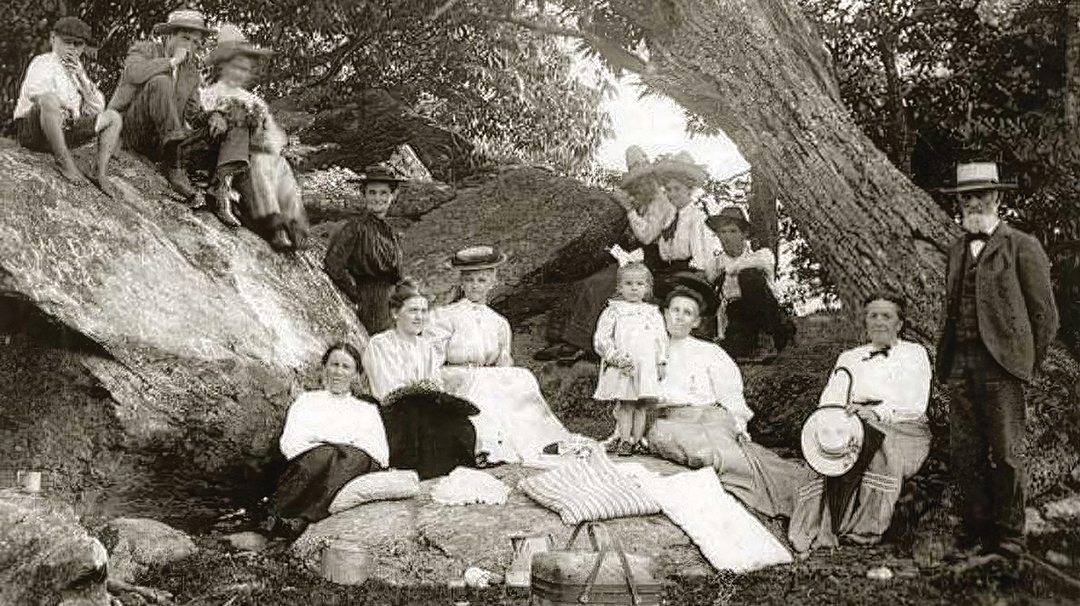
Kelsey’s Trail, Whiteside Mountain
Nestled in the southern Blue Ridge Mountains, Highlands has long been a gateway to some of the most popular hiking spots in the eastern United States.
Highlands, surrounded by the natural landscapes of the Nantahala National Forest. The Blue Ridge Mountains, and the start of the Appalachian mountains, developed a deep connection to trails long before hiking became a regular recreational pastime. The history of hiking in the region reflects centuries of Cherokee travel, early exploration, conservation movements, and the modern outdoor culture that is now a cornerstone of western North Carolina.
Long before European settlement, the mountains around Highlands were crossed by Cherokee footpaths linking hunting grounds, river valleys, and trading routes.
Many modern trails follow these corridors established by Native nations. The Cherokee traveled through the dense forests and high ridges of what is now the Nantahala region, whose name comes from a Cherokee word meaning “land of the noonday sun.” These pathways later guided settlers, traders, and researchers such as botanists, mineralogists, and other naturalists through the mountains.
One of the earliest documented explorers of the region was the 18th-century botanist William Bartram. During his travels through the southern Appalachians in the 1770s, Bartram carefully recorded the extraordinary biodiversity of the Highlands-Cashiers Plateau and surrounding wilderness. His writings inspired generations of naturalists and conservationists, many of whom came to Highlands to study the unique biodiversity and climate themselves.
Today, the famous Bartram Trail honors William Bartram’s journey through the mountains of North Carolina and Georgia.
In the mid- to late- 1800s, Highlands was a mere dot on the map and few hardy souls lived here. Transportation was a real challenge as most visitors and citizens had to rely on mules, ox carts, horses, and often their own two feet to get around. Trails were blazed between town and the various homesteads.
As the mountains and climate around Highlands began attracting tourists seeking cool summer weather and scenic beauty, the trails between town and homesteads evolved into hiking trails or roads for carriages. Wealthy travelers from Charleston, Savannah, and Atlanta arrived by carriage and later by automobile on these trails and early roads.
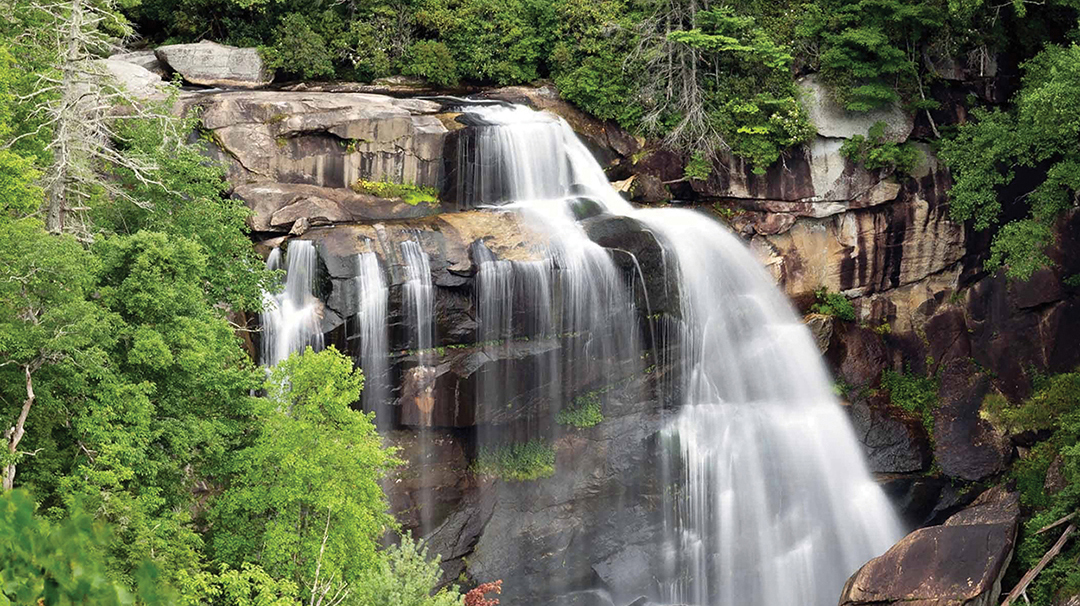
Hiking emerged as a popular recreational activity among visitors staying in mountain inns and boarding houses throughout the 20th century. Informal footpaths led to waterfalls, overlooks, and rocky summits such as Whiteside Mountain, whose dramatic cliffs became one of the region’s best-known destinations.
 One of the original founders of our town helped build a trail from town to Whiteside Mountain. Samuel Kelsey was so keen on the idea of making the mountain more accessible to visitors that he spent 300 hours laboring on this trail. Pessimists called this the “Road to Nowhere.” The trail started at the end of 5th Street, went through Bear Pen Gap, and through primeval forests that included the enormous and beautiful chestnut trees now extinct. By July 10, 1885, the first wagon traveled to the top of Whiteside Mountain. The trail was named for Kelsey to honor his hard work and dedication.
As logging intensified across the southern Appalachians in the late 1800s and early 1900s, conservationists fought to protect the forests surrounding Highlands. The creation of the national forest and local conservation efforts permanently preserved hundreds of thousands of acres of mountain wilderness and laid the foundation for a formal trail system. The rise of recreational hiking in Highlands accelerated during the twentieth century with the development of more public, recreationally focused trails.
By the late 20th century, hiking had become central to the identity and economy of Highlands. Outdoor recreation businesses, guide services, and conservation groups flourished. Trails around waterfalls such as Glen Falls, Dry Falls, and Whitewater Falls attracted increasing numbers of visitors each year. The region also became known for ecological diversity, with rare wildflowers, old-growth forests, and abundant wildlife drawing nature enthusiasts and photographers.
Today, hiking and environmental conservation remain defining qualities of Highlands and the surrounding mountains. Modern trail systems combine historic Cherokee routes, Depression-era Forest Service construction, and contemporary conservation efforts. Local hikers continue exploring favorite paths that generations before them once walked throughout the town. The enduring popularity of these trails reflects not only the spectacular beauty of the southern Appalachians, but also a century-long commitment to preserving the forests and wild landscapes that make Highlands such an ideal natural outdoor recreation destination.
We are gearing up for our 1920s Gala next month hosted at the Highlands Inn! This event will feature live music, food and drinks, and dancing! We hope you will join us – tickets are available for purchase on our website highlandshistory.com. In the meantime, we hope you will swing by to check out our exhibits, with a new exhibit premiering this season.
The Museum and Historic Village are open Thursday-Saturday from 10:00 A.M. to 4:00 P.M. and Sundays from 1:00 to 4:00 P.M. for this summer. For those unable to visit, we invite you to visit our website at highlandshistory.com to learn more about Highlands history, the Historic Village, and check out our virtual exhibits.


Favorites Count: 0