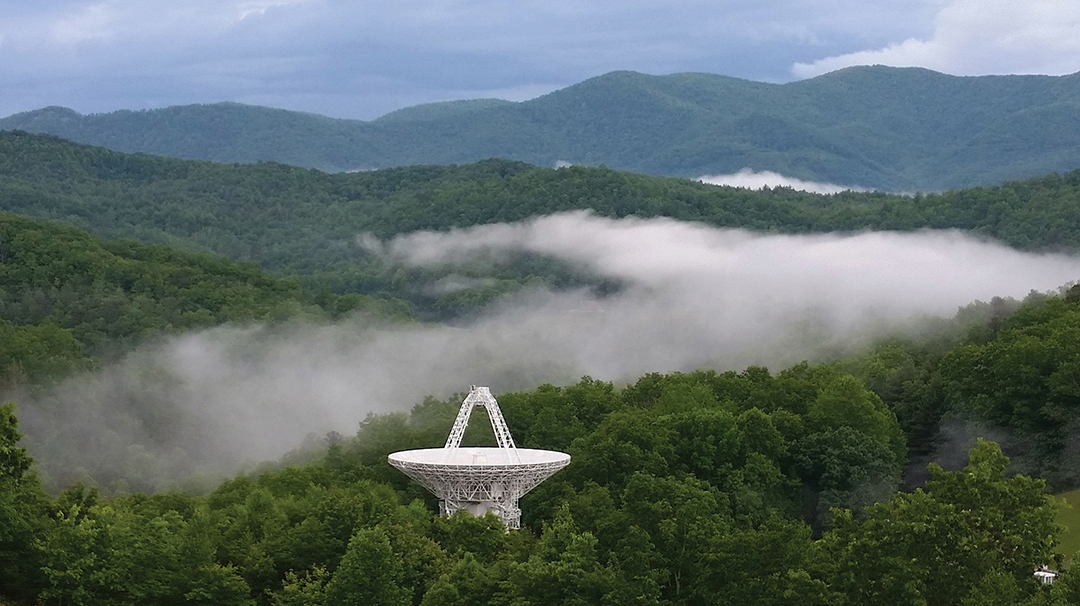
Once a Cold War satellite-tracking station shrouded in mystery, the Pisgah Astronomical Research Institute continues to evolve as a gateway to deep space. This spring, the Rosman nonprofit reached a new milestone when NASA selected PARI as one of 34 global participants supporting the Artemis II mission, the first crewed test flight of the Orion spacecraft around the Moon.
Artemis II will carry four astronauts aboard NASA’s Space Launch System rocket on a 10-day journey beyond Earth orbit.
While NASA’s Near Space Network and Deep Space Network will provide primary communications, PARI’s radio telescopes will join an international network of commercial providers, and amateur operators passively tracking radio signals transmitted by Orion.
The effort builds on a similar campaign during Artemis I in 2022, when volunteers helped NASA evaluate the aerospace community’s tracking capabilities. For Artemis II, all submitted data must meet updated Space Communications and Navigation (SCaN) program standards, reflecting the growing role of public-private partnerships in human spaceflight.
PARI’s inclusion places the institute alongside major space organizations from 14 countries – underscoring how a spy-era facility now contributes directly to humanity’s return to the Moon.
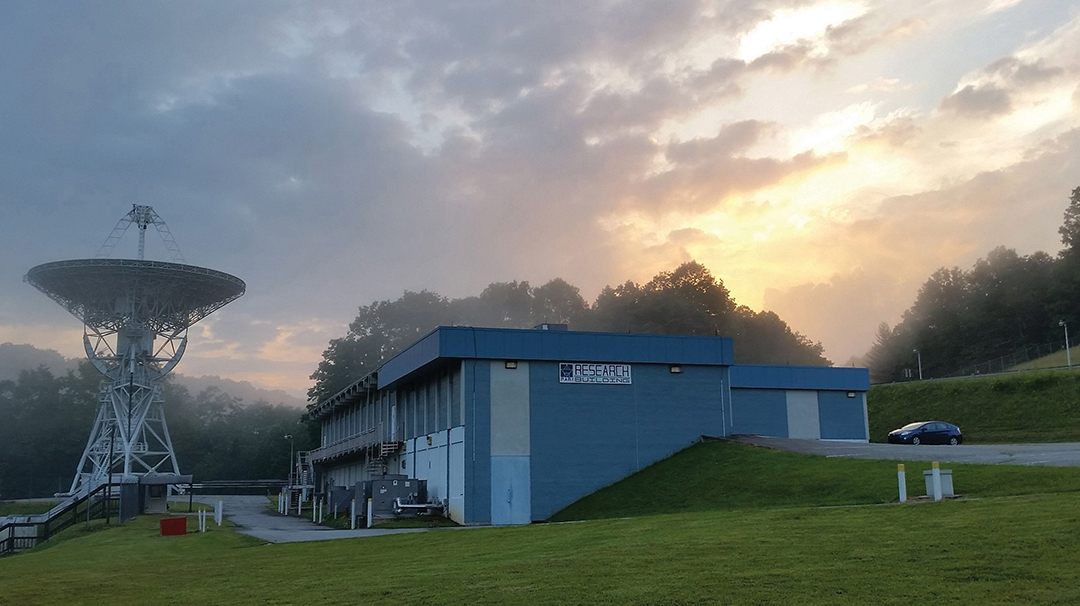
That blend of history, cutting-edge science, and education defines PARI’s mission, on full display during its summer programs. Each year, PARI opens its 200-acre mountain campus to students to explore astronomy, physics, and space science using professional-grade instruments once dedicated to manned spaceflight.
PARI’s flagship camp, Above and Beyond, returns July 6–17 and invites rising 9th through 12th graders to immerse themselves in two weeks of hands-on research. Campers study astronomy, physics, and astrobiology while working with data and learning how scientists explore the universe – from Earth-based radio telescopes to missions like Artemis II.
For younger students, Secrets of a Spy Station runs July 19–24 for campers entering grades 6–9. Drawing inspiration from PARI’s Cold War past, the program introduces cryptography, coded communications, and satellite tracking, connecting history with space technology in a setting once rumored to monitor UFOs.
Today, PARI’s twin 26-meter radio telescopes and the iconic 4.6-meter “Smiley” dish continue to support research, remote learning, and public outreach. From helping NASA track a spacecraft circling the Moon to inspiring students under the dark skies of Pisgah Forest, PARI remains dedicated to exploring – and sharing – the mysteries of deep space.
For more information about PARI programs or to schedule a visit, go to pari.edu or email visit@pari.edu.


Favorites Count: 0