
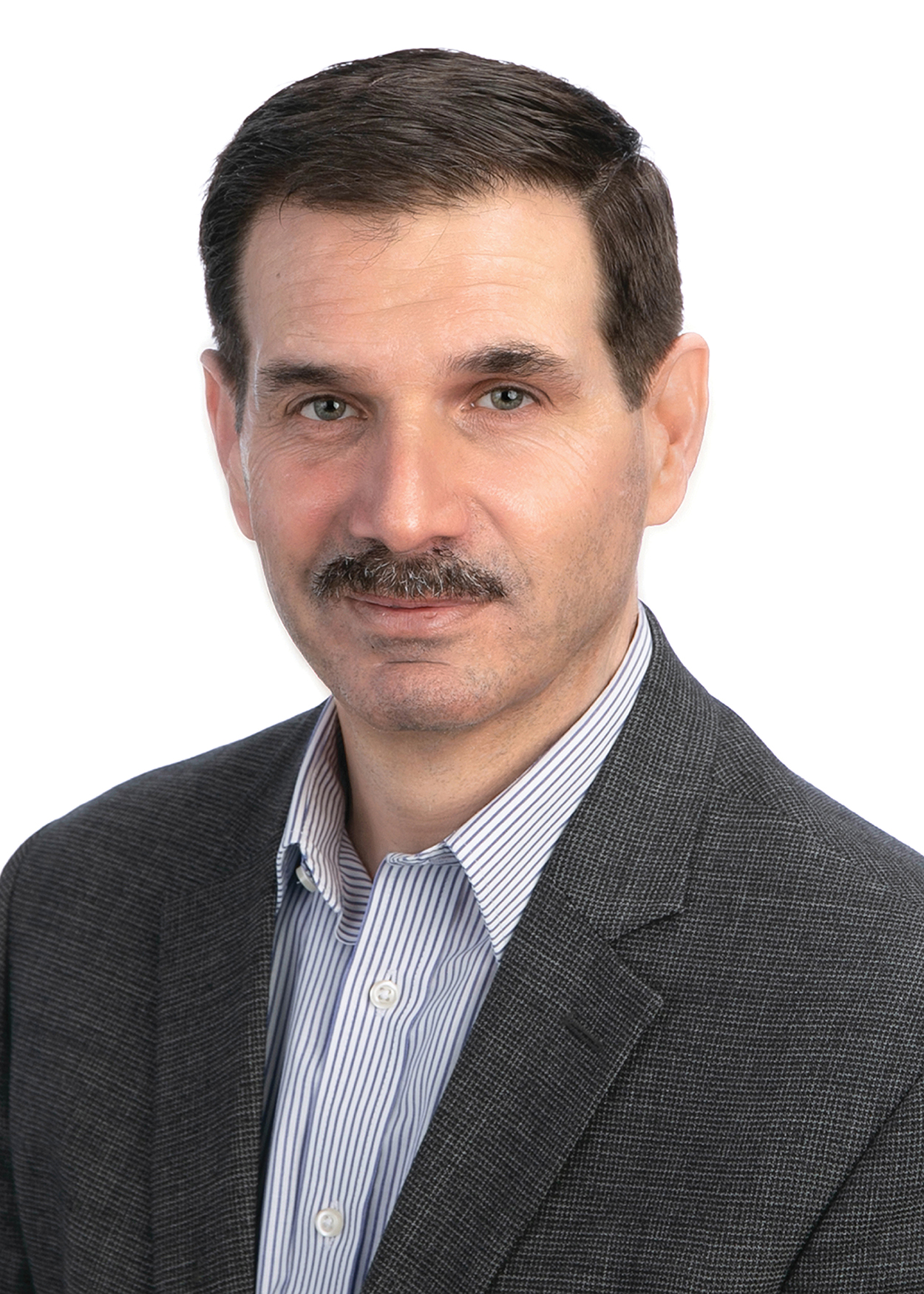
Tom Neal RN, MBA, MHA, CEO/CNO, Highlands-Cashiers Hospital
Colon cancer is the second leading cause of cancer-related deaths, but 60 percent of colon cancer deaths could be prevented if people followed current screening recommendations.
On the bright side, we’ve got an extraordinary way to screen for colon cancer — the colonoscopy — and there are now more than one million colon cancer survivors in the United States.
Some of the nonmodifiable risk factors that put a person at increased risk for developing colon cancer are having a close family member who has been diagnosed and living with inflammatory bowel disease.
Fortunately, there are several modifiable risk factors that you have control over to help lower your risk for colon cancer. Obesity increases a person’s colon cancer risk, so losing weight is critical if your weight can cause you to be classified as obese (with a body mass index, or BMI of 30 or more).
People with type 2 diabetes are also at higher risk for colon cancer, but per the Colon Cancer Foundation, good management of blood sugar levels helps people avoid diabetes complications and positively impact the outcome of someone diagnosed with colon cancer.
A diet high in red and processed meat has been seen to increase colon cancer risk, and so has leading a sedentary lifestyle. Dietary changes like increasing fruit and vegetable consumption, as well as increasing physical activity are key. Avoiding tobacco and alcohol use also lower your risk.
Familiarize yourself with colon cancer symptoms, which include changes in bowel habits (increased constipation or diarrhea, for example), rectal bleeding, persistent stomach pain or cramps, and unintended weight loss. Another sign is not feeling fully relieved after having a bowel movement.
Multiple colon cancer screening options are available, but factors like how often a person is tested and which screening they receive will vary, depending on their individual risk factors and personal medical history. One alarming trend has been the increasing number of younger adults being diagnosed with colon cancer. Because of this, the recommended age for initial screening for people at average risk for colon cancer was lowered to 45.
For those at average risk, there are stool-based tests that are used to screen for colon cancer and can be done at home. Visual tests include the flexible sigmoidoscopy and the colonoscopy. During a colonoscopy, the surgeon uses a flexible lighted tube with a tiny camera to examine the colon and rectum. Before the procedure, the patient must do bowel prep, which often involves drinking fluid that causes them to empty their bowels completely. This is important so the surgeon can see the colon and rectum clearly when they look for any polyps.
During the procedure, the patient is briefly sedated. If no polyps are found, this test is only needed every 10 years. The colonoscopy is often referred to as the “gold standard” colon cancer screening, because polyps can be removed during the procedure if found.
At Highlands-Cashiers Hospital, we’re proud to have board-certified general surgeons Dr. Zachary Phillips based in our Highlands clinic and Dr. James Osborne based in our Cashiers clinic. Both surgeons perform colonoscopies, as well as many other procedures.
Speak with your primary care provider about your risk factors for colon cancer. If you’re due for a colonoscopy, call Dr. Osborne at (828) 743-2491 or Dr. Phillips at (828) 526-4346 to schedule an appointment.
Don’t delay. It’s a tragedy when we lose a loved one to a disease that is preventable with early diagnosis and intervention.


Favorites Count: 0