
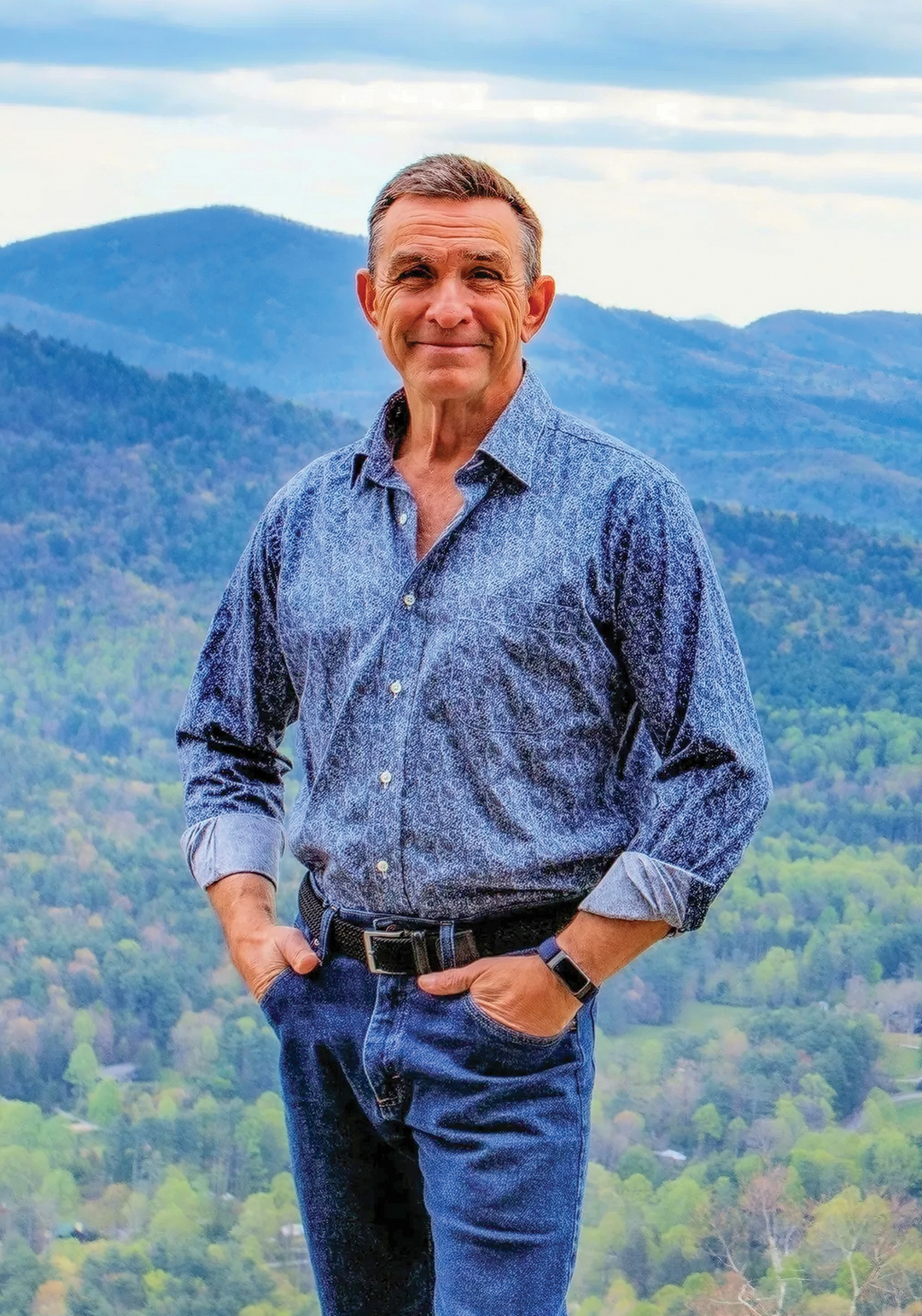
Coach Clay Hartman
As the Highlands-Cashiers Plateau enters the season of Thanksgiving, it’s easy to think of gratitude as a holiday tradition. We gather around the table, share a meal, and reflect on blessings. Yet science shows gratitude is more than a once-a-year ritual, it’s a daily practice that can transform health, strengthen relationships, and help us thrive all year long.
Gratitude works at the neurological level. When we focus on what we’re thankful for, the brain releases dopamine and serotonin, two of the “feel-good” neurotransmitters that reduce stress and lift mood. Over time, consistent practice builds neural pathways that make it easier to notice the positive, not just the problems. That shift doesn’t erase life’s challenges, but it helps us carry them with greater resilience.
The benefits reach beyond the brain. Research links gratitude to lower blood pressure, improved sleep, and reduced inflammation. A grateful mindset calms the stress response, lowering cortisol levels and easing strain on the cardiovascular system. For adults over 50, gratitude becomes a simple yet powerful tool for vitality and longevity.
Gratitude has also been shown to strengthen the immune system, foster better heart health, and even increase resilience to pain. People who regularly practice gratitude report higher levels of energy and optimism, which translate into healthier lifestyle choices and improved overall wellbeing.
The practice of gratitude doesn’t need to be complicated. Taking a quiet pause at mealtimes to truly savor food and company, offering a word of appreciation to someone during the day, or simply noticing the beauty of the Plateau on an evening walk can all reinforce the habit. Gratitude is like a muscle, the more we use it, the stronger its impact.
And gratitude isn’t just personal, it’s relational. Expressing thanks deepens bonds with family, friends, and community. This November, as Thanksgiving reminds us to gather in gratitude, consider carrying that spirit into daily life. Science is clear: thankfulness isn’t just good manners, it’s an essential building block for health, vitality, and longevity.


Favorites Count: 0