
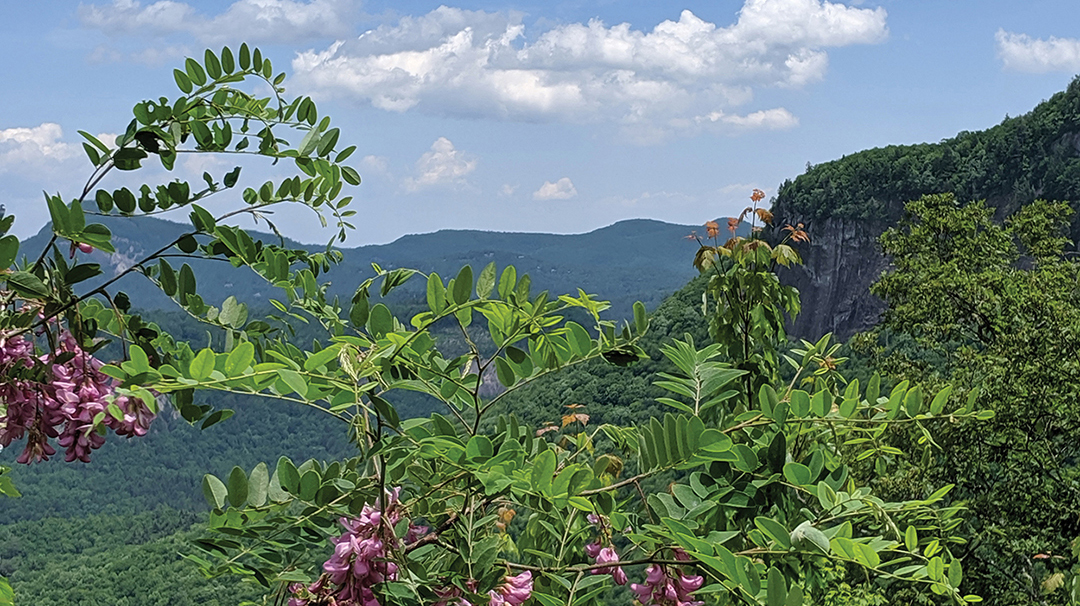
The Highlands-Cashiers Plateau and Western North Carolina as a whole are home to one of the most biologically diverse ecosystems, due to the formation of smaller climates between our mountain ridges and coves.
Many of these smaller climates, or microclimates, have allowed for species to evolve in these unique conditions and encourage specific adaptation over time.
Plants and animals that exist in a single location and nowhere else are what are called endemic species. Due to human activity and disturbances in their specialized habitats, their populations are often at risk of disappearing forever if not monitored properly.
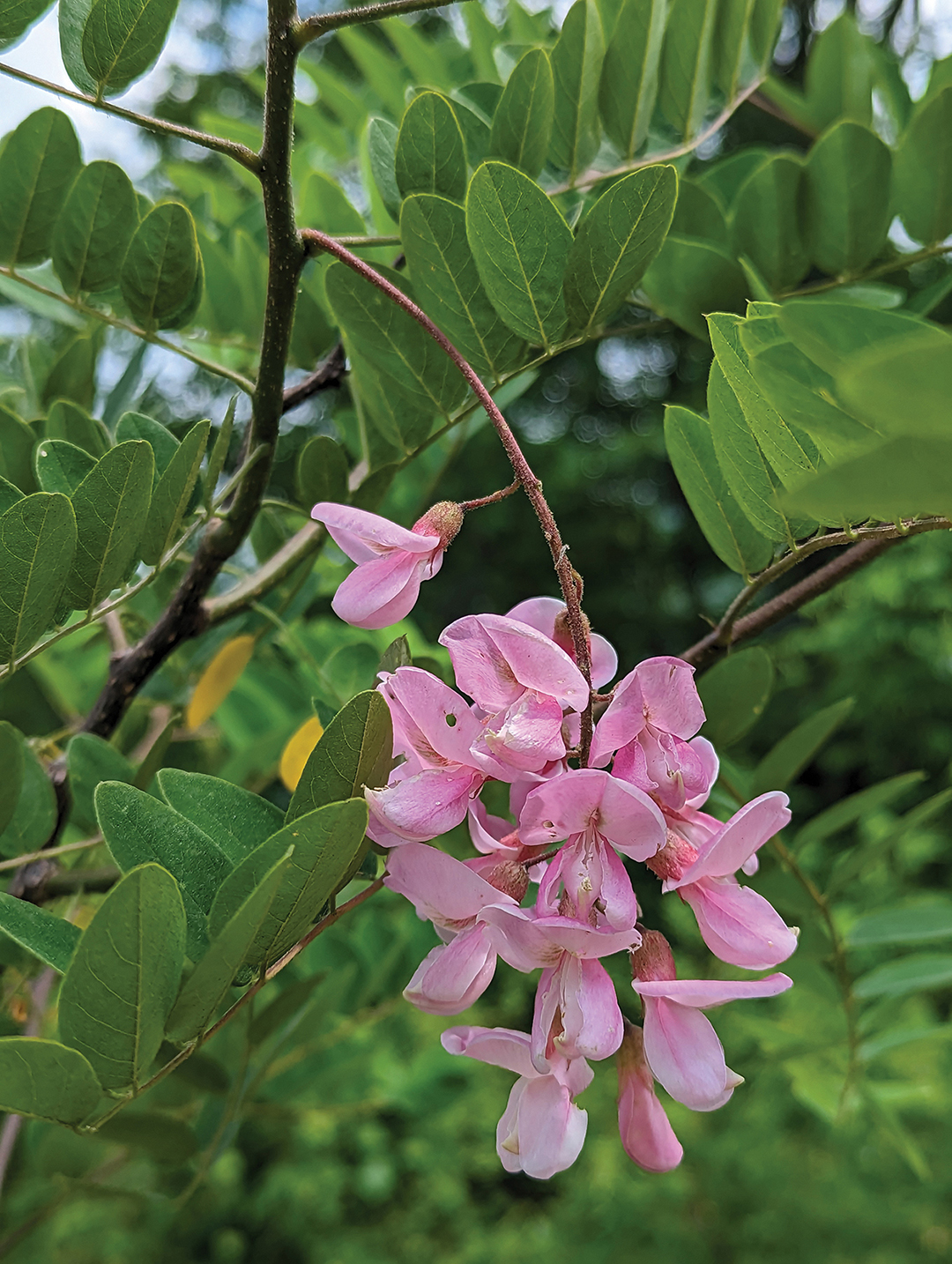
One of the endemic species that you may be able to find right now that resides on the Plateau is called a Hartwigs Locust, which grows as a shrubby plant that blooms in ornate clumps of pink flowers during the months of June and July. They can be found growing in the forests and open outcroppings of the high elevation granite domes, preferring full to partial sunlight.
Similar to other locust species, they are incredibly hardy and can adapt to varying conditions, even being mowed!
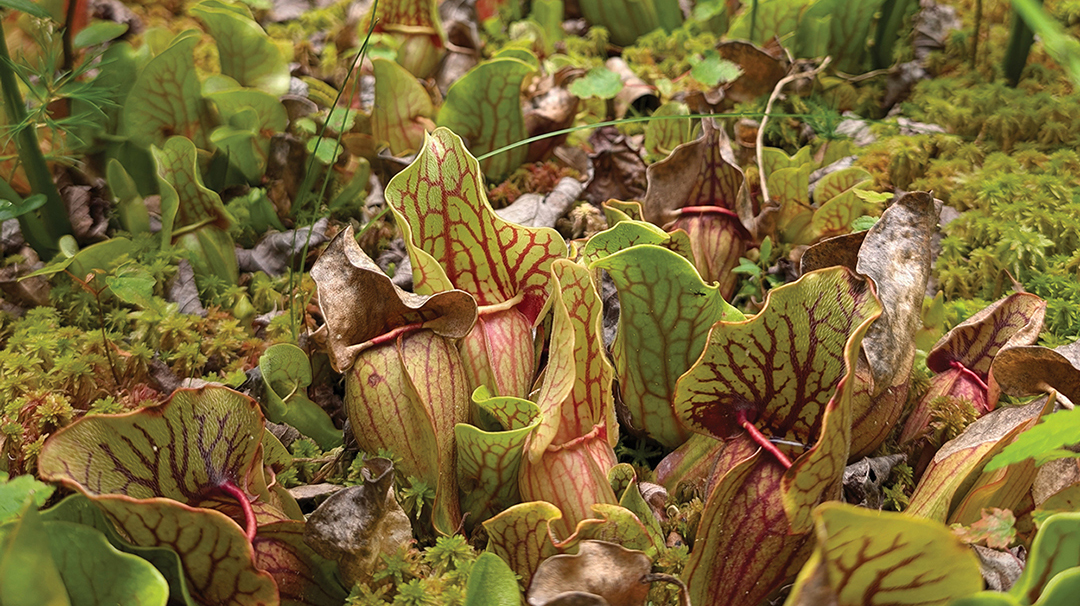
You may even have some of your own rare Hartwigs Locust, Robinia hartwegii, in your backyard, with some finding them growing in exposed land near cleared areas such as viewing areas or powerlines. Two known sites to spot some of these attractive little trees are the overlook by the Jackson and Macon county line off of HWY 64 and on the top of Satulah Mountain, which are protected public access properties held by the Highlands-Cashiers Land Trust.
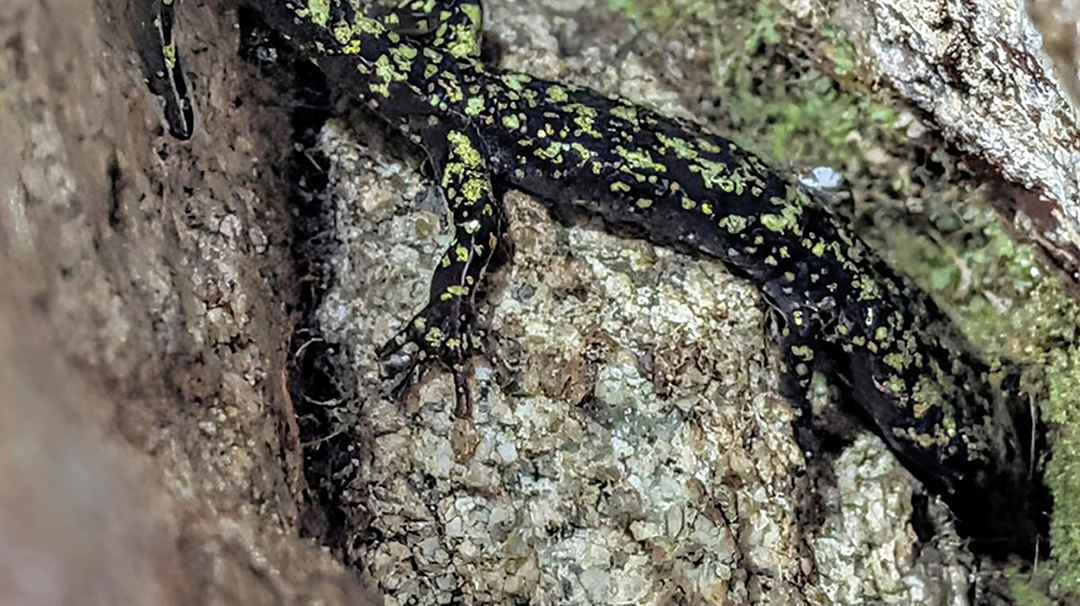
Other endemics you may have encountered on the Plateau include a wide range of species, with over 250 species endemic to Western North Carolina. Some examples are the Carolina Hemlock in rocky acidic slopes, the Green Salamander in shaded rock crevasses, and the Mountain Purple Pitcher Plant found in high-elevation bogs in the Southern Appalachians.
Endemics such as the Hartwigs Locust are not only extraordinary for their unique set of characteristics, but each species provides a service in maintaining the balance of an ecosystem and supporting biodiversity. Through protection and management, we can continue to see a world filled with a beautiful array of plants and animals, sometimes even in your backyard.
The mission of the Highlands-Cashiers Land Trust is to protect our unique and irreplaceable biodiversity. For more information, please go to hclt.org and be sure to follow HCLT on Facebook and Instagram.


Favorites Count: 0