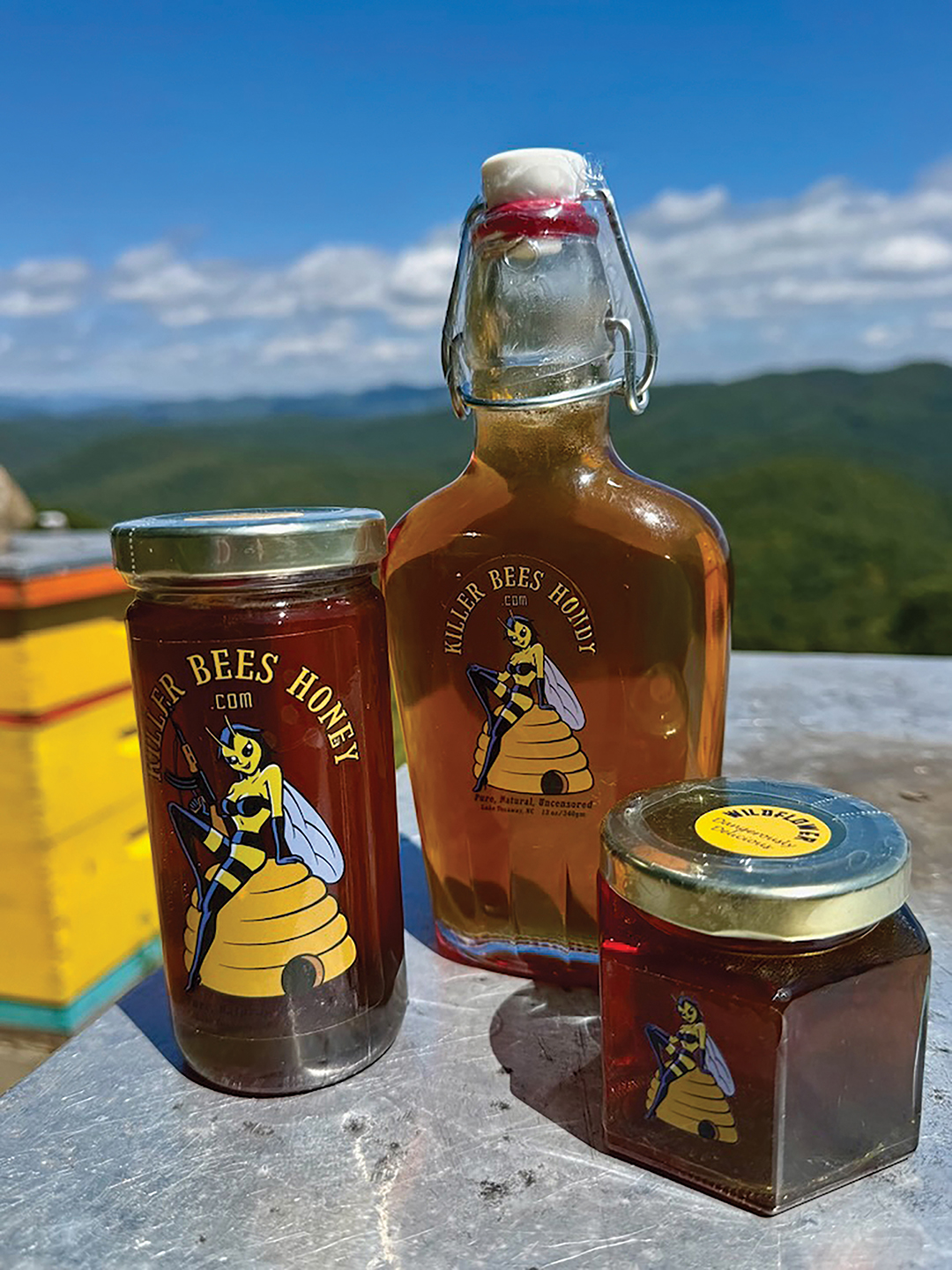
In the world of artisanal honey, a quiet revolution is underway, and it’s happening right here in the Blue Ridge Mountains. Killer Bees Honey, the boutique apiary owned by husband-and-wife team Sean Collinsworth and Denise Altay, has earned international recognition for the medicinal quality of their wildflower honey. Recently, their honey achieved a Total Activity (TA) score of 33.2—a rating so rare it places them in the top one to two percent of honeys worldwide.
For context, the TA rating is a method widely used in Europe and New Zealand to measure honey’s antibacterial and healing properties, similar to the system used to certify New Zealand’s Manuka honeys. Most Manuka honeys fall between 10 and 20 on the scale. Killer Bees’ wildflower honey, grown in the mineral-rich soils of Lake Toxaway and the surrounding Pisgah Forest, tested at a level higher than 95 percent of Manuka honeys available today.
This breakthrough rating came after Sean and Denise decided to test their honey using European standards, encouraged by beekeeper friends in England who emphasized the importance of TA in the European market. The TA score reflects antibacterial strength through both peroxide and non-peroxide activity, with anything above TA30 considered exceptionally potent and linked to significant health benefits.
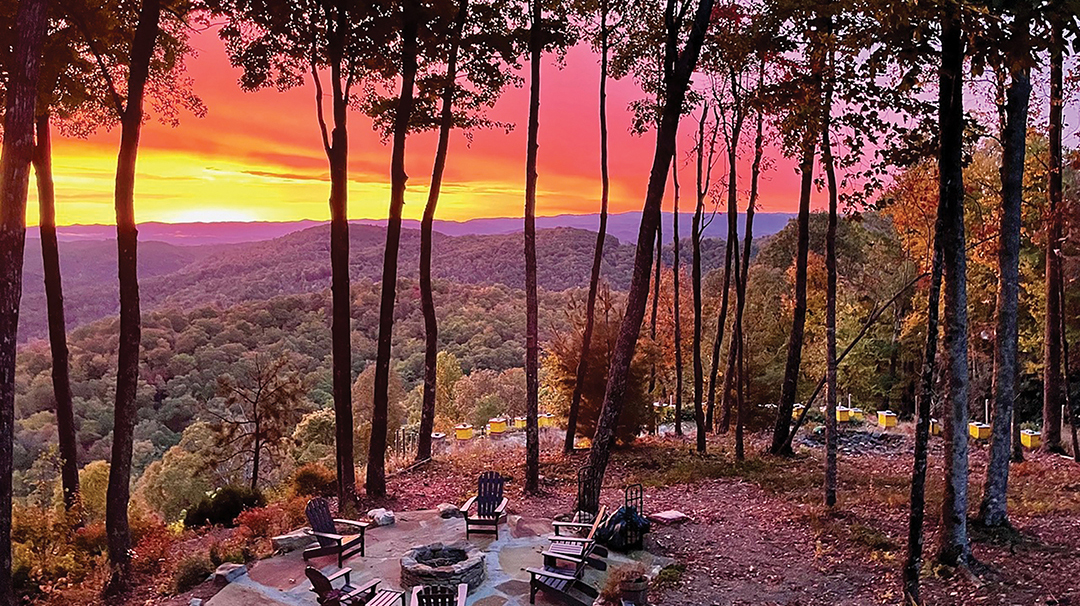
Sean, who began raising bees at the age of 12 in Lake Forest, Illinois, has been keeping bees consecutively for 30 years since moving to North Carolina. Now a certified honey sommelier, he attributes the exceptional rating to their unique location. Since moving to the Plateau in 2014, he and Denise have cultivated a 75-acre apiary surrounded by 512,000 farm-free acres of Pisgah National Forest, officially designated as a Wildlife Refuge under the NC Wildlife Conservation Lands Program. “I could always taste the minerals in our honey,” Sean says. “Now we have the science to prove its potency.”
That potency carries real health implications. High TA honey provides natural antibiotic and antimicrobial properties, supporting digestive health by protecting against bacteria linked to IBS, IBD, acid reflux, and low stomach acid. It’s also an effective remedy for sore throats and coughs, while its antimicrobial strength offers broader protection against bacterial infections. Topically, the high TA value—including elevated hydrogen peroxide—enhances honey’s traditional wound-healing qualities, making it useful in treating burns, cuts, and bacterial skin conditions.
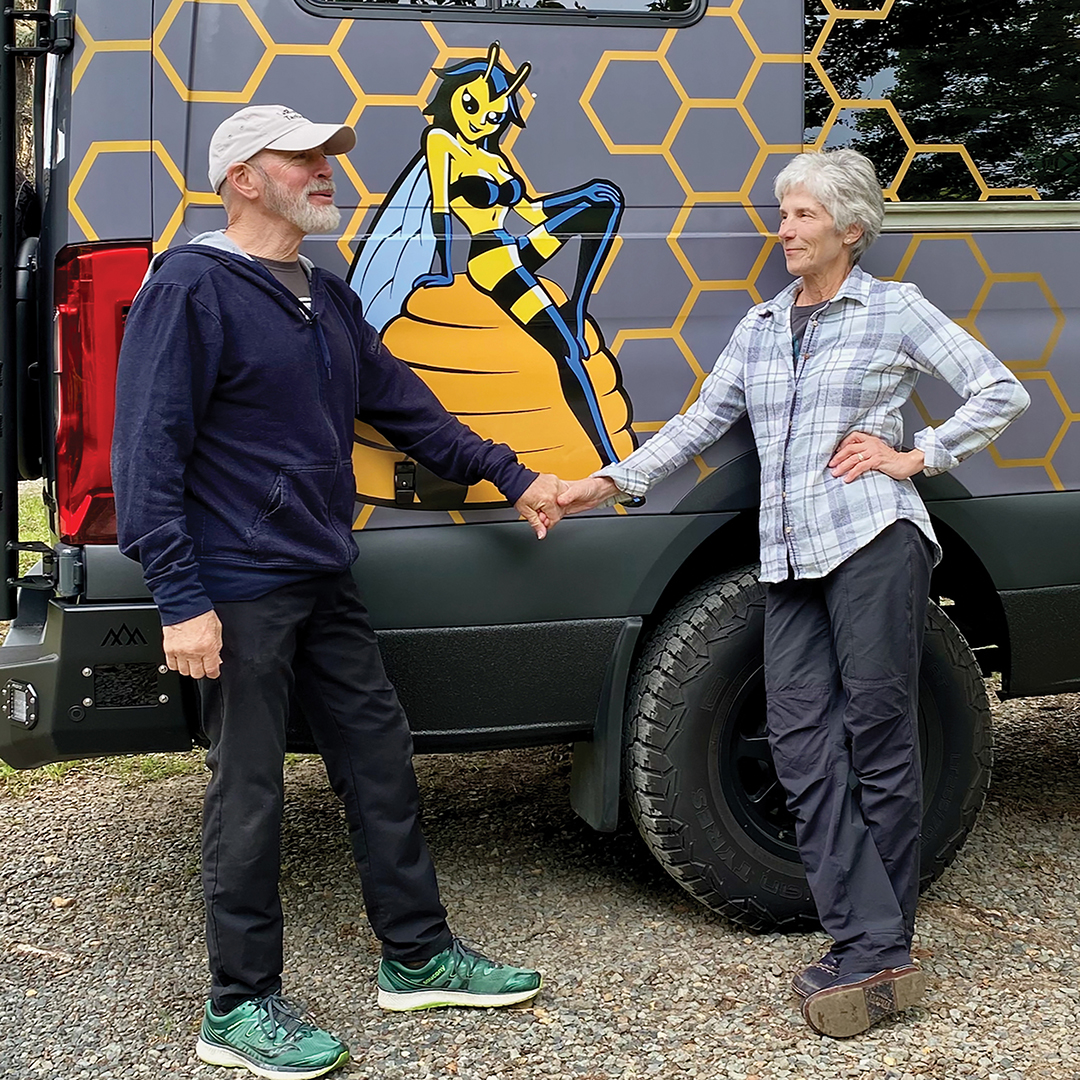
Sean Collinsworth and Denise Altay
This recognition builds on the couple’s long-standing commitment to transparency. Killer Bees is the only American apiary that sends its honey to labs in the U.S., Germany, and now New Zealand for pesticide and purity testing—and publishes every result. In a market often compromised by adulteration, their insistence on proof has set them apart.
Their harvests are as rare as they are sought after. Each season, their wildflower and smoky mountain honeys sell out, while their sourwood—the “champagne of honeys”—remains a coveted prize. Looking ahead, Sean and Denise are preparing a special release: Walnut Cove Mountain Honey, a micro-regional honey packaged in hand-blown glass bottles by Burnsville artist David Wilson. With only 250 bottles slated for spring 2026, this elegant, limited edition will embody both rarity and medicinal strength.
With its record-setting TA rating, Killer Bees Honey is more than a gourmet indulgence—it’s a world-class natural remedy, a product of land, bees, and the dedicated stewards who care for them.


Favorites Count: 0