
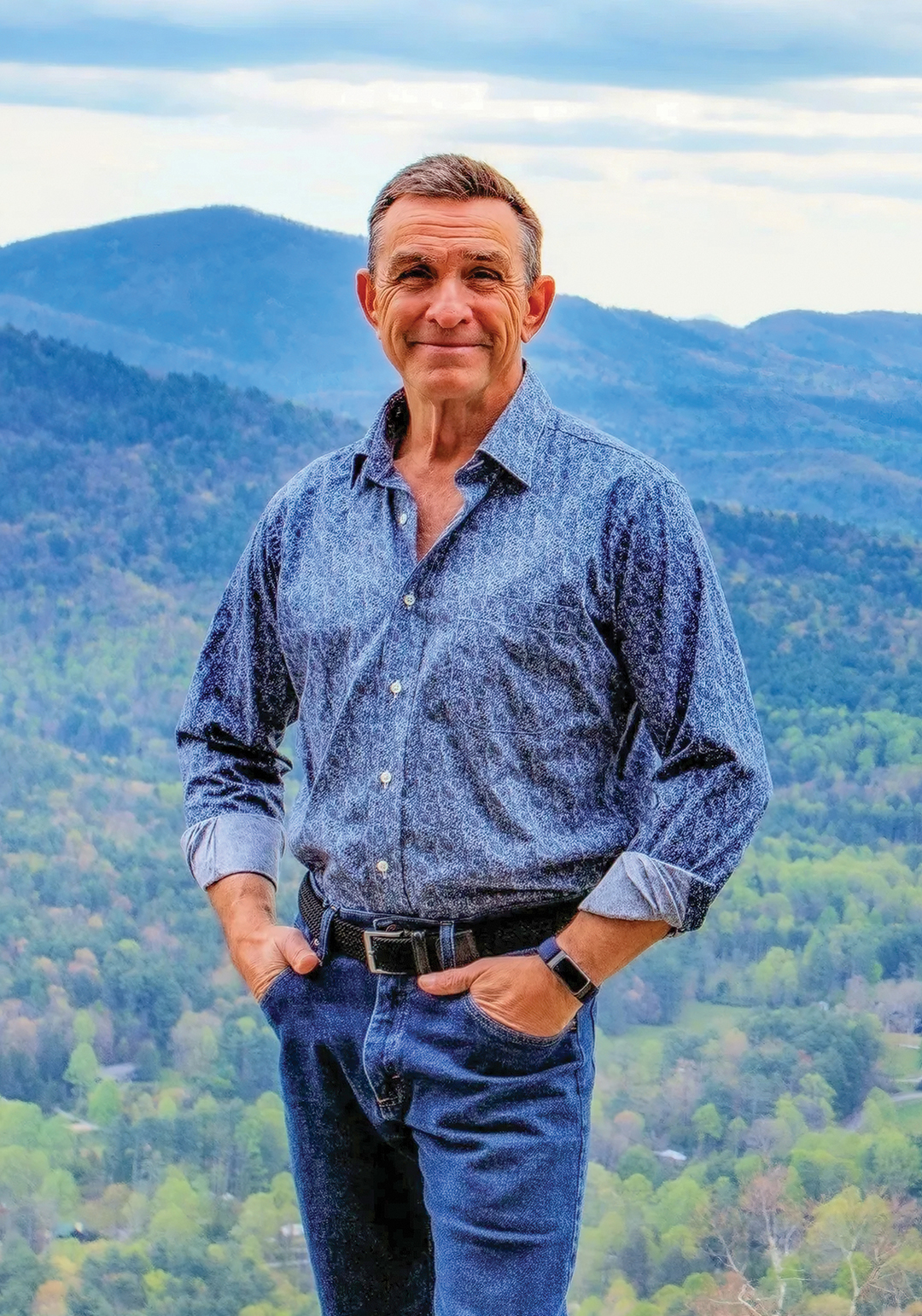
Coach Clay Hartman
Late spring on the Highlands-Cashiers Plateau draws people back outside.
Trails fill up. Days stretch longer. Time outside feels less like effort and more like a return. Most think of this as recreation or relaxation, but it is also something more. It is a training environment.
The body responds differently outdoors than it does on flat, predictable surfaces. A paved path asks for repetition. A hiking trail asks for adaptation. Each step is slightly different. The ground shifts. Angles change. Muscles engage in ways that are difficult to replicate inside. Ankles stabilize. Hips adjust. The spine rotates naturally. These small variations build strength and coordination that do not come from uniform movement.
This is where resilience is developed. Outdoors, your body is not just producing movement. It is reacting, correcting, and organizing in real time. That process sharpens balance, improves joint integrity, and reduces the likelihood of missteps that lead to injury. Over time, it builds real-world movement capacity that carries into everyday life.
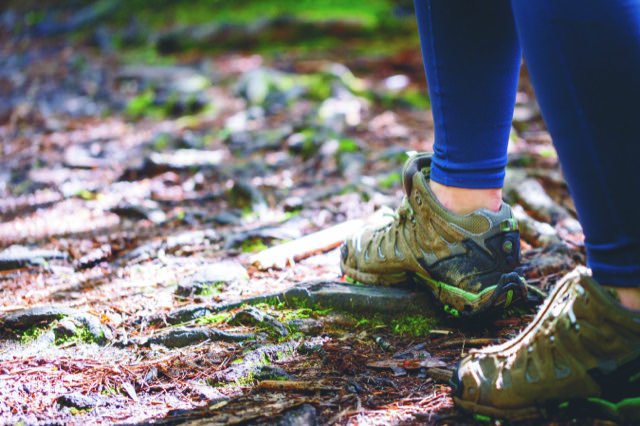
There is also a quieter layer at work. Natural settings tend to lower mental noise. Attention widens. Breathing settles.
Stress begins to downshift. This is not separate from physical health. It supports it. Recovery improves. Energy becomes steadier. Movement feels more sustainable.
Late spring is an ideal time to lean into this. Conditions are forgiving. Terrain is accessible. It does not require long outings or extreme effort. A consistent rhythm outdoors, even in short windows, is enough to shift how the body responds.
The goal is not to replace structured exercise, but to complement it. Step off the flat path when you can. Let the ground challenge you. Over time, that subtle difference becomes a meaningful edge.


Favorites Count: 0