
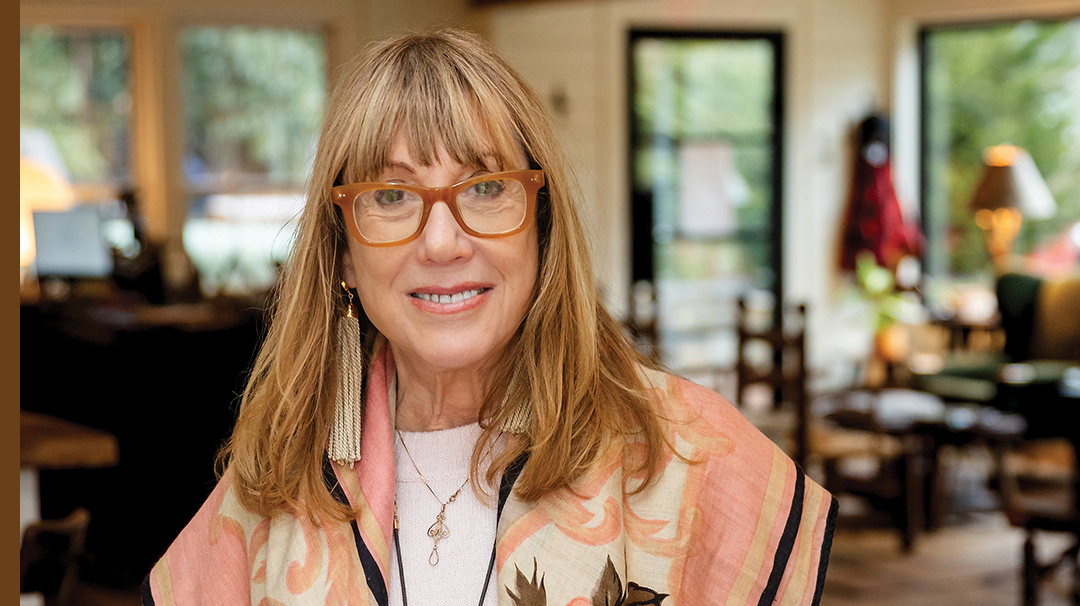
Marlene Osteen
I’ve been reaching for sparkling rosé for years now, long before it became a seasonal shorthand for spring.
Not because it’s pretty in the glass – though it is – but because it delivers something more nuanced: a lift of wild strawberry and raspberry, a trace of rose petal, sometimes a flicker of citrus or crushed herb, all carried on a fine, persistent bead. It’s a wine that knows how to hold itself together.
That composure is part of what makes it feel so right for Mother’s Day. There’s beauty, yes, but also structure – something thoughtful beneath the surface. It invites you to slow down, to pour a proper glass, to pay attention.
If the day calls for a splurge, I rarely look past Billecart-Salmon Brut Rosé. It’s one of those wines that seems to arrive fully formed: fine, almost weightless bubbles; wild berries edged with blood orange; a whisper of brioche that lingers just long enough. It’s graceful but not fragile and holds your attention from first sip to last.
From there, the field opens in interesting ways. In Alsace, Lucien Albrecht Brut Rosé offers a distinctly mineral take – Pinot Noir grown on rocky hillside vineyards that leads with a lively mousse, then settles into red fruit and crushed stone with a faint herbal edge. It’s brisk, precise, and especially good with food.
For something more relaxed, Bisol Jeio Prosecco Rosé brings a softer touch – gentler bubbles, ripe strawberry, a hint of pomegranate and flowers. It doesn’t overcomplicate things, which is precisely its appeal.
South Africa adds another dimension entirely. Graham Beck Brut Rosé, made in the country’s Méthode Cap Classique tradition, opens with bright raspberry and a touch of biscuit, then deepens into something slightly more textured – crushed stone, a woody herbal note, a structure that feels grounded without ever becoming heavy.
England enters the picture with Wiston Estate Brut Rosé: all restraint and line – red currant, wild strawberry, a faint floral lift – drawn tight over a chalky backbone. It’s a wine of clarity rather than flourish.
Closer to home, Domaine Carneros Brut Rosé offers a California interpretation with genuine polish.
Founded in 1987 when Champagne house Taittinger settled on the rolling hills of Carneros in Napa Valley, and shaped from the outset under founding winemaker Eileen Crane, it has long set the standard for American sparkling wine. The vintage-dated rosé – sustainably grown estate Chardonnay and Pinot Noir, produced in a largely solar-powered facility – layers fresh peach, ripe berries, and cream against a dry, focused finish. Approachable and quietly sophisticated in equal measure.
What I keep coming back to is simpler than any tasting note: sparkling rosé is delicious, joyful without excess, and it makes the room feel lighter.
It’s exactly the kind of wine you want to share with Mom.


Favorites Count: 0