
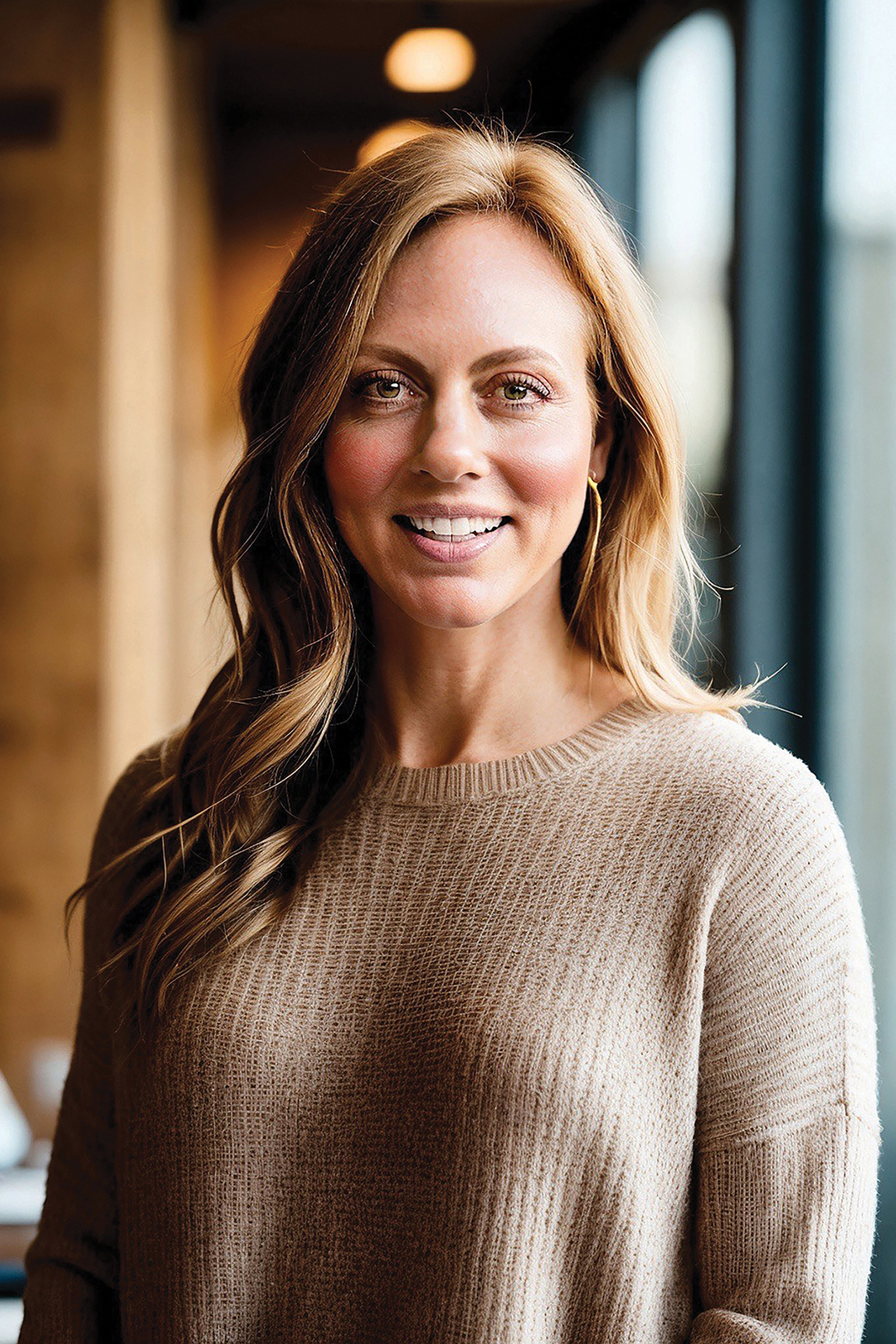
Dr. Kristin Lander
When most people think about aging well, they think about living longer. But for many of us, the more important question is: How well will we live?
Will we still be hiking our favorite trails, playing golf, gardening, traveling, and keeping up with grandchildren? Or will pain, weakness, and limited mobility slowly shrink our world?
One of the strongest predictors of healthy aging isn’t a number on a lab test. It’s strength.
Muscle plays a critical role in balance, bone health, metabolism, mobility, and overall independence. As we age, we naturally lose muscle mass if we don’t actively work to maintain it. Unfortunately, this process often accelerates when pain enters the picture.
I’ve seen it happen countless times. A knee starts hurting, so someone walks less. A shoulder injury makes strength training difficult. Back pain leads to avoiding activity altogether. What begins as a manageable problem can quickly become a slippery slope. Less movement leads to less strength. Less strength leads to poorer balance, reduced stamina, and increased risk of falls and injuries.
Research consistently shows that muscle mass and strength are closely linked to longevity, reduced fall risk, healthier blood sugar regulation, and overall resilience.
In many ways, muscle acts as a reserve account for health, helping us recover from illness, injury, and the physical demands of daily life.
The good news is that this cycle can often be prevented.
For most adults, just two full-body strength-training sessions per week can help preserve muscle, support bone health, and offset much of the muscle loss associated with aging. Pair that with a daily protein intake of approximately 0.7 grams per pound of ideal body weight, regular walking or other enjoyable movement, and addressing injuries before they become chronic.
Pain isn’t simply an inconvenience, it can become a barrier to maintaining the very activities that help us age well.
Think of your body the way you think about your home or car. Routine maintenance is far easier than major repairs. The same is true for your health.
The goal isn’t simply to add years to life. It’s to add life to those years. By prioritizing strength, movement, proper nutrition, and proactive care today, you’re investing in the ability to continue enjoying everything that makes life in our mountain community so special for years to come.


Favorites Count: 0