
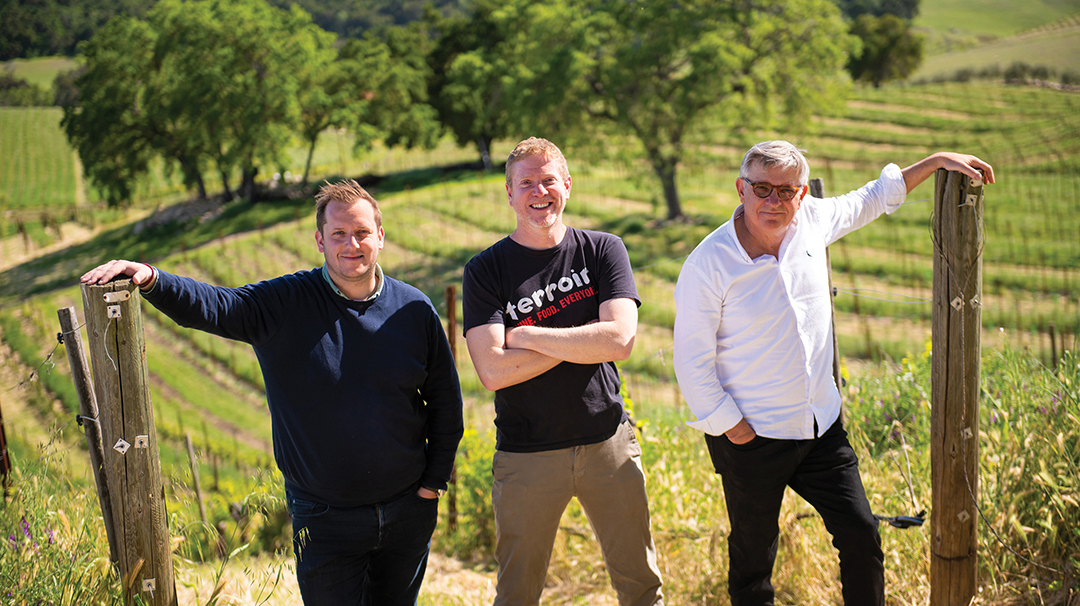
Left to right: Cesar Perrin, Jason Haas, and Francois Perrin
“We were making wines from grapes people didn’t know, with names they couldn’t pronounce, from a part of California they had never heard of.” That’s Jason Haas, second‑generation proprietor of Tablas Creek Vineyard in Paso Robles, describing the challenge the winery faced when it released its first wines in 1997.
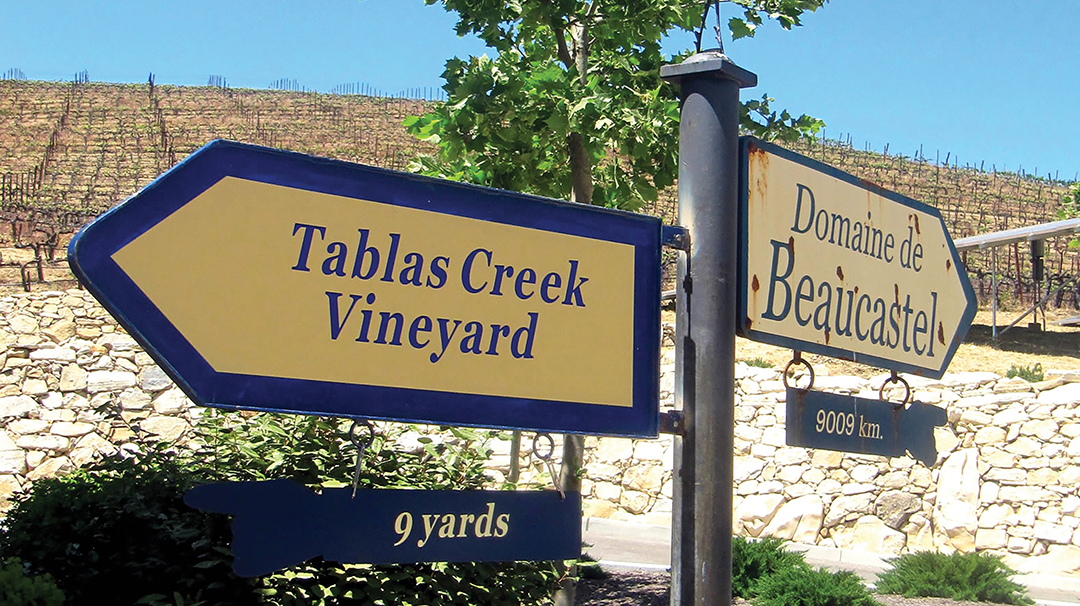
Founded in 1989 by Haas’s father, Robert Haas, and the Perrin family of Château de Beaucastel in France’s Rhône Valley, Tablas Creek set out to establish in California the 13 Rhône varietals permitted in the celebrated Châteauneuf‑du‑Pape blend. When those first wines reached consumers eight years later, however, the proprietors discovered an unexpected challenge. American wine drinkers gravitated toward familiar names – Cabernet Sauvignon, Chardonnay and Merlot. The Rhône varietals that inspired Tablas Creek were virtually unknown.
For many wineries, that might have been reason enough to change course. Instead, Tablas Creek leaned into education. The winery began bottling single‑varietal wines as “teaching tools.” As enthusiasts embraced those wines, Tablas Creek expanded the program, eventually bottling some of the rarest Rhône varietals that comprise the Châteauneuf‑du‑Pape blend.
Today, those mono‑varietal wines remain only a tiny part of the winery’s production. “This is not the core of the business,” Haas says. “We make about 100 cases, but they are a point of differentiation for us. They establish Tablas Creek as the home for these Rhône varietals and the place people need to start if they want to explore them.”
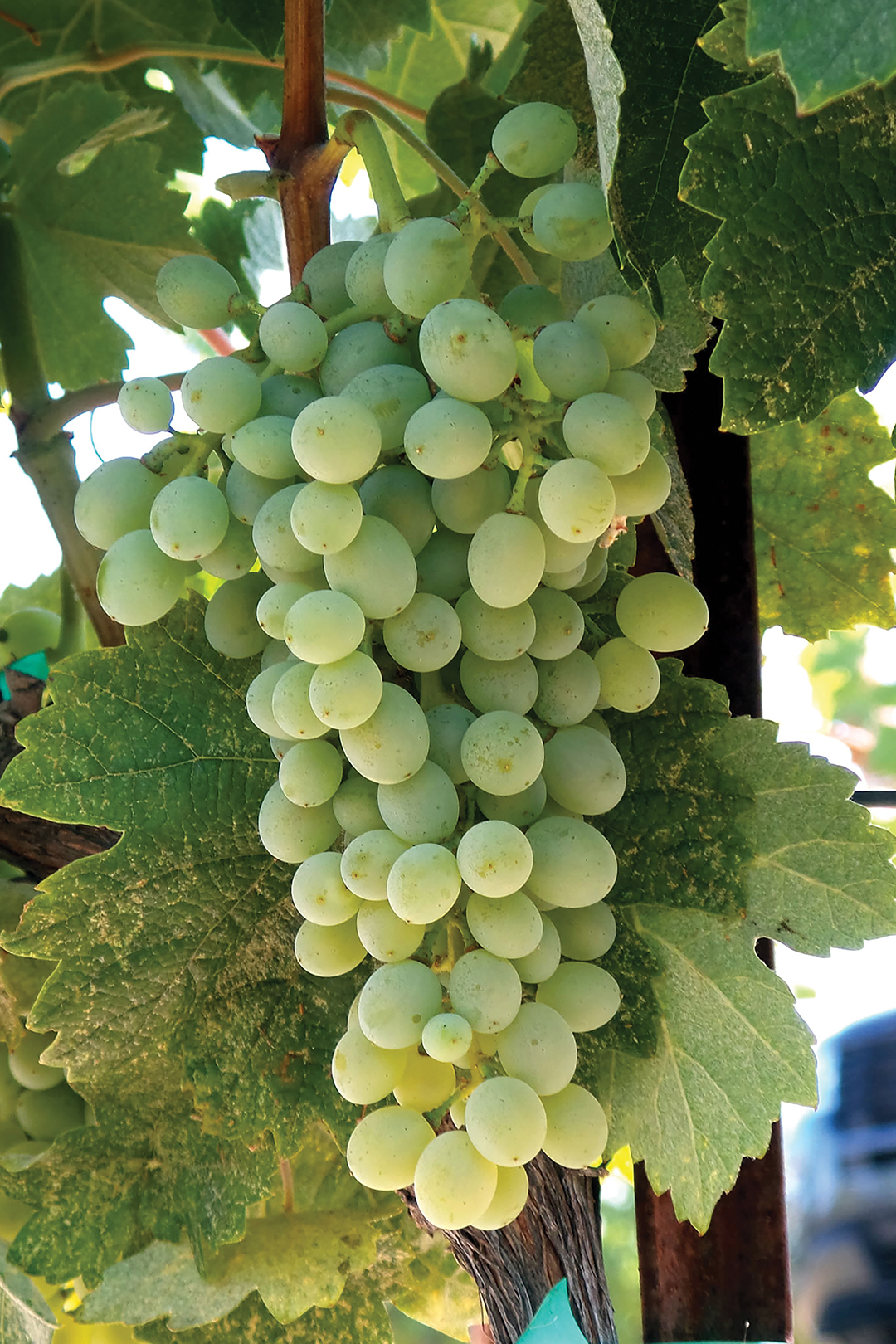
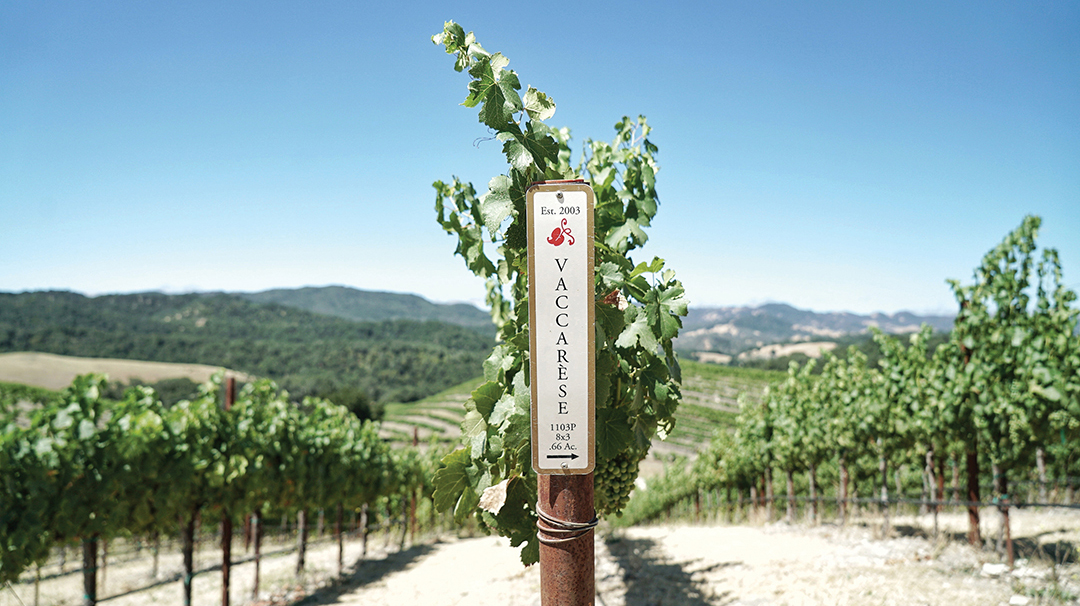
Among the most intriguing are Vaccarèse, largely abandoned after powdery mildew devastated vineyards in the mid‑19th century; and Clairette Blanche, which later fell from favor as richer, fruitier white wines came to dominate the marketplace. For Haas, Clairette evokes “all the parts of a citrus tree.”
My first taste of Clairette Blanche was a burst of mouthwatering tartness that soon yielded to delicate floral notes and a clean mineral finish. Lime and almond lingered throughout, joined by a pronounced salinity that, on a sweltering July afternoon in Charleston, felt as refreshing as wading into the cold waters off the coast of Maine. It was, quite simply, a most quaffable wine.
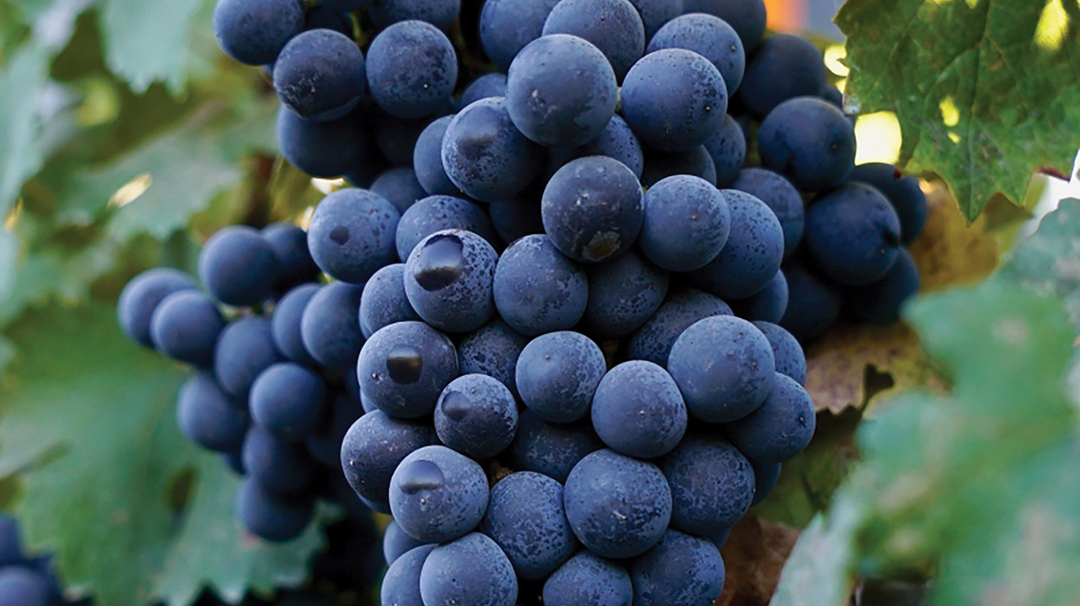
Haas describes Vaccarèse as “herby and spicy,” with cracked pepper, dried oregano, lovely blackberry fruit, bright freshness, firm tannins and the chalky minerality that reflects Tablas Creek’s limestone soils. I found Vaccarèse every bit as intriguing. Meaty and firmly tannic, it framed blackberry fruit lifted by hints of mint, pine and spice. Herbal and woody, it was reminiscent of a Beaujolais.
For all their differences, what lingered with me most was what the two wines had in common: vibrant acidity, remarkable clarity and, above all, an unmistakable sense of purity. If I had to describe them in a single word, it would be this: clean. More than that, they simply made me happy. I found myself grinning after every sip. They are serious wines with a joyful spirit. Where that remarkable clarity comes from – Tablas Creek’s regenerative organic farming, careful winemaking or both – I can’t say with certainty. But it was impossible not to notice.
Fortunately, discovering Tablas Creek isn’t limited to these tiny‑production wines. The winery’s blends – including Esprit de Tablas and Patelin de Tablas – are widely available. Vaccarèse, Clairette Blanche and others can be purchased directly from the winery. To purchase them and sign up for the winery’s newsletter, visit TablasCreek.com.


Favorites Count: 0