
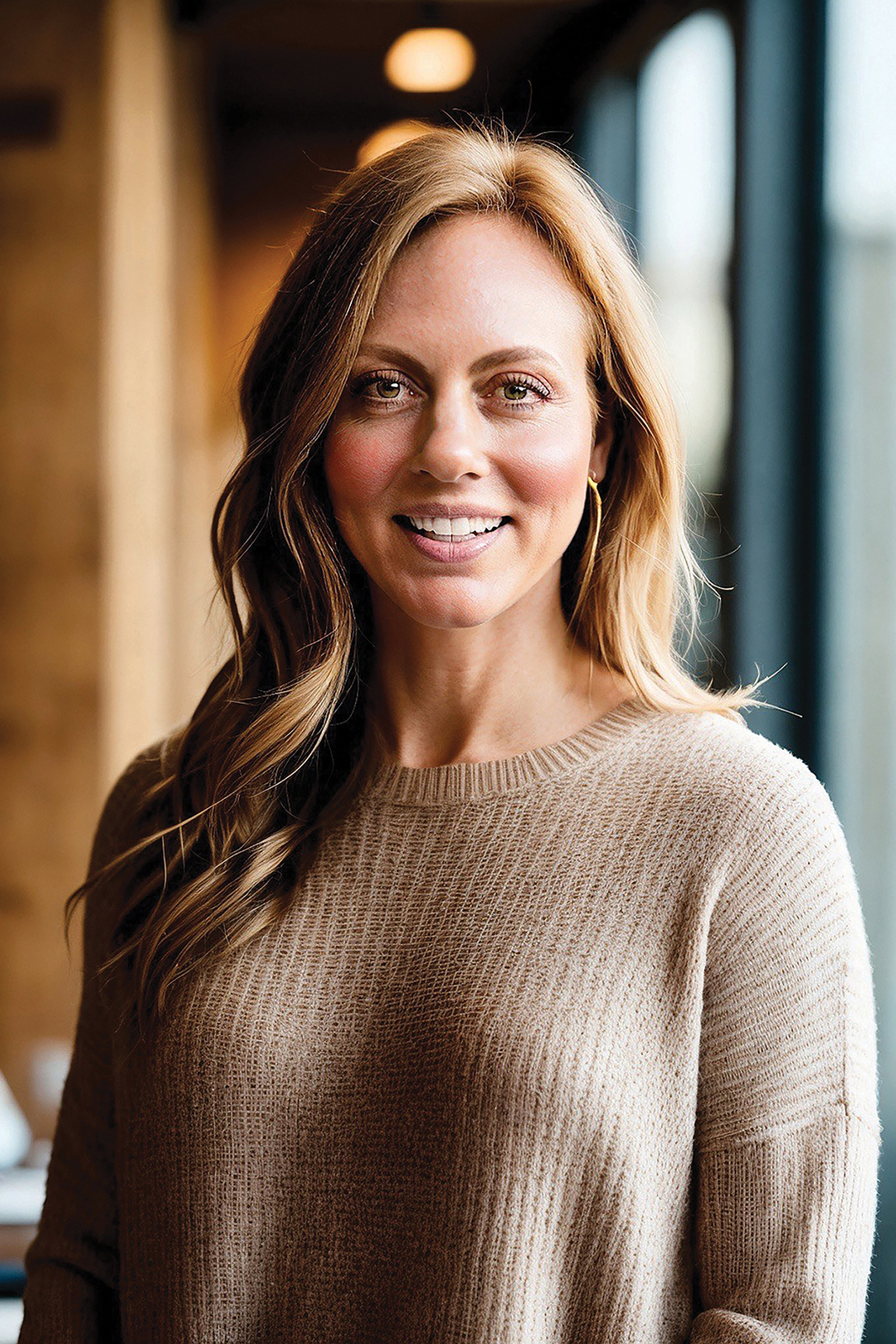
Dr. Kristin Lander
Most people don’t think much about their balance until they nearly fall, or actually do.
But balance is about far more than preventing falls. In many ways, balance reflects overall health and resilience.
Every time you step onto a hiking trail, navigate uneven ground in your garden, climb a flight of stairs, or simply get up from a chair, your body is performing a remarkable coordination of systems. Your muscles, joints, eyes, inner ear, nervous system, and brain are all working together to keep you stable and moving safely through the world.
When balance begins to decline, it is often an early warning sign that one or more of those systems needs attention.
Many people assume balance problems are an inevitable part of aging. While aging certainly plays a role, loss of balance is often driven by factors we can influence: loss of muscle mass, reduced activity levels, chronic pain, poor mobility, vision changes, and decreased confidence in movement.
This is one reason I encourage patients not to ignore aches and pains. A sore knee may seem insignificant at first. But if that knee pain causes you to stop walking, hiking, exercising, or participating in activities you enjoy, the effects extend far beyond the knee itself. Strength begins to decline. Balance worsens. Confidence decreases. Independence slowly erodes.
The good news is that balance can be improved at nearly any age.
Strength training is one of the most effective tools we have because stronger muscles help us react more quickly and stabilize ourselves when we stumble. Regular walking, hiking, mobility exercises, and practicing simple balance challenges – such as standing on one foot for 30 seconds – can also help maintain these critical skills.
Perhaps the most important thing to remember is that balance is not something we lose overnight. It is something we either maintain or neglect over time.
By protecting your strength, staying active, and addressing limitations before they become major obstacles, you’re doing far more than preventing a fall.
You’re preserving your ability to continue enjoying the active mountain lifestyle that makes this community so special.


Favorites Count: 0