
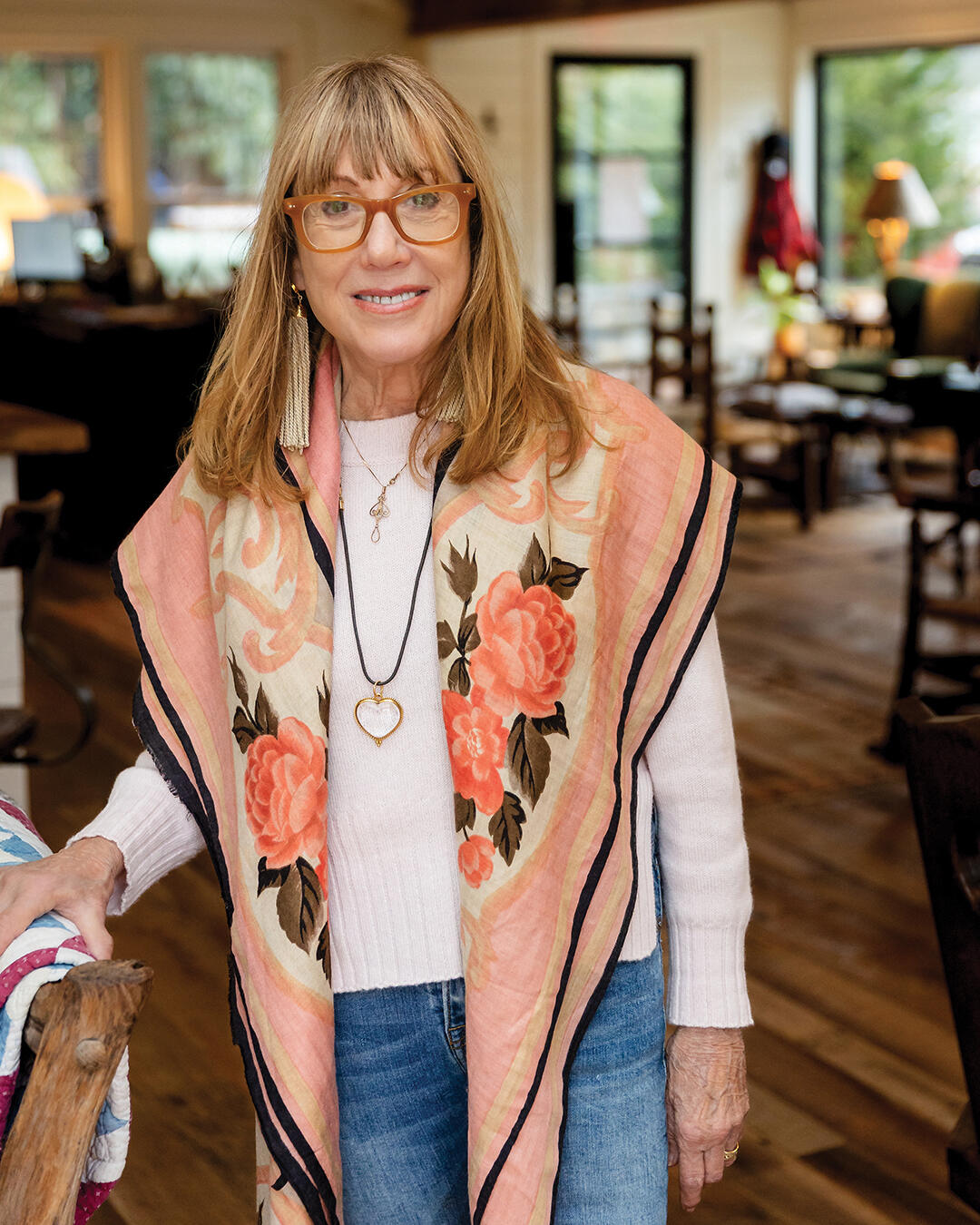
Marlene Osteen
If you’re a regular reader of this column, you already know that I treat every visit to a wine shop like a treasure dive. I’m not looking for the familiar bottles with the glaring “Staff Recommends” tags. I’m headed for the back shelf, searching for a grape I’ve never tasted or a place I’ve never thought to explore.
Back in the early 1980s, when Louis and I were running our first restaurant in what was then considered rural South Carolina, much of the American South was still discovering wine. Boutique wine shops were few and far between, and liquor salesmen occasionally unloaded a few bottles wherever they could – an antique store, a country gift shop, even a rural gas station. The shopkeepers rarely knew what they had. If you recognized the label, you could walk away with an extraordinary bottle for next to nothing.
Those days are gone, but more than 40 years later, I still believe the most interesting bottle in the shop is usually the one everyone else walks past.
This month, that search took me to the Mediterranean – not the postcard version of whitewashed villages and sparkling blue water, but to volcanic mountains and windswept plateaus where ancient grapes are quietly proving that old ideas often make the most vital wines.
If you’ve never tasted Carricante, you’re in for a surprise. Grown on the slopes of Mount Etna, Sicily’s still-active volcano, it may be the Mediterranean’s saltiest white wine. Wine writer Eric Asimov once called it “for salt fiends,” and I couldn’t improve on that. Whether that briny character comes from volcanic soil or sea breezes hardly matters. I just know I love it. Benanti Etna Bianco is bright, energetic and almost impossible to stop drinking once you’ve poured the first glass. If oysters, grilled fish or pasta with lemon are on the menu, you’ve found their soulmate.
Then there’s Greece’s Moschofilero, a wine that delights in fooling you. One sniff fills the glass with roses, jasmine and citrus blossom, so you brace for sweetness.
Instead, it’s bone dry, crisp and wonderfully refreshing. Troupis Fteri Moschofilero has become one of my favorite bottles to pour before dinner, especially if shrimp, calamari or a Greek salad is on the table.
The bottle that intrigued me most, though, was Fiano from Campania. I first learned about Ciro Picariello after reading about a dinner where a mature bottle of his Fiano quietly joined a lineup of legendary white Burgundies.
It didn’t merely hold its own – it was the bottle everyone reached for before the evening was over. That’s exactly the kind of story that sends me hunting.
The Ciro Picariello Fiano di Avellino offers orchard fruit, herbs and a stony finish, but what makes it remarkable is its ability to age. Buy one bottle for tonight’s seafood dinner. Buy another to forget about for a few years. Future you will be very glad you did.
My lone red comes from eastern Spain. Bobal is one of Spain’s most widely planted grapes, yet most Americans have never heard of it because for decades it disappeared into anonymous blends. Vera de Estenas El Bobal finally lets the grape tell its own story. Dark, juicy and just savory enough, it’s one of those rare $15 bottles that tastes as though someone forgot to add another zero to the price tag.
If I’ve learned anything over the years, it’s that the best wines rarely announce themselves. Sometimes they’re tucked away on the back shelf. Sometimes they’re made from grapes you’ve never heard of. Sometimes they’re both.
So the next time you’re standing in front of a wall of familiar labels, skip past the bright “Staff Recommends” signs and wander toward the unknown. You just might come home with a new favorite – and discover, as I have, that the best finds often come from the oldest ideas, and that old ideas often make the most vital wines.


Favorites Count: 0