
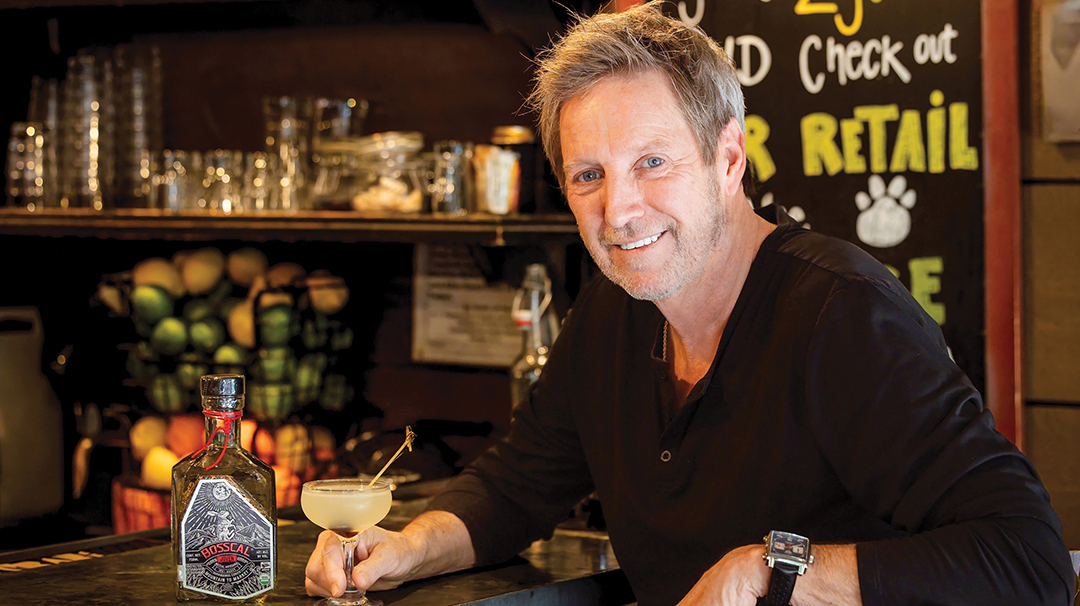
Bill Edwards
Twelve years ago, Nelson Nieves was a finance guy in Southwest Florida with a construction crew whose Mexican members kept bringing back bottles of mezcal from home.
“No one was paying attention to it,” he recalls.
Nieves was. So he and his brother Verne went to Durango, Mexico, and built a distillery from scratch. Nieves says theirs became the first Durango mezcal exported to the United States. It took nearly three years to bring their first bottle to market.
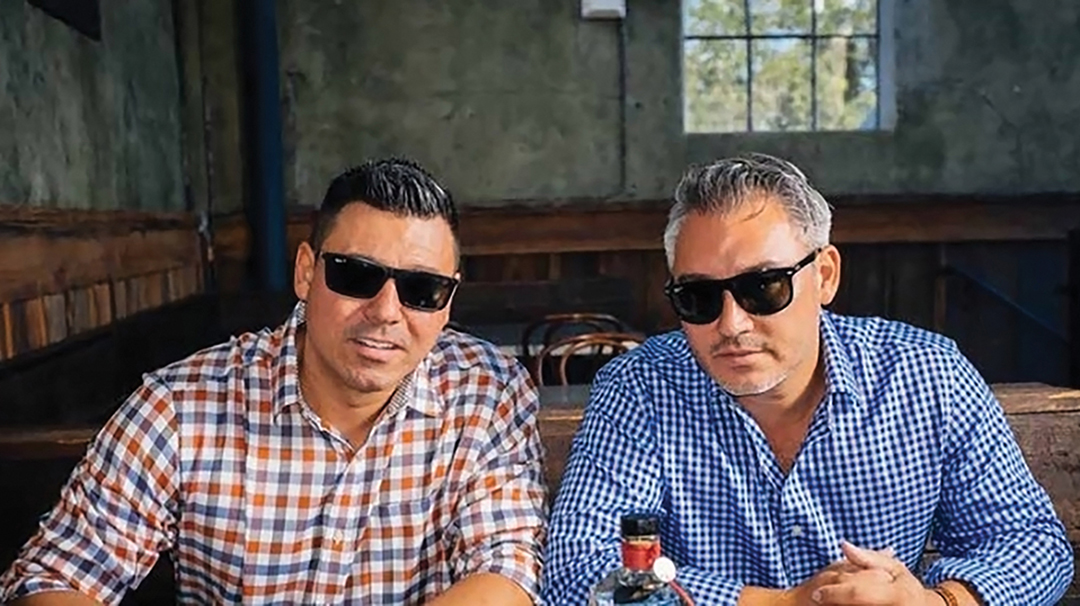
Nelson and Verne Nieves
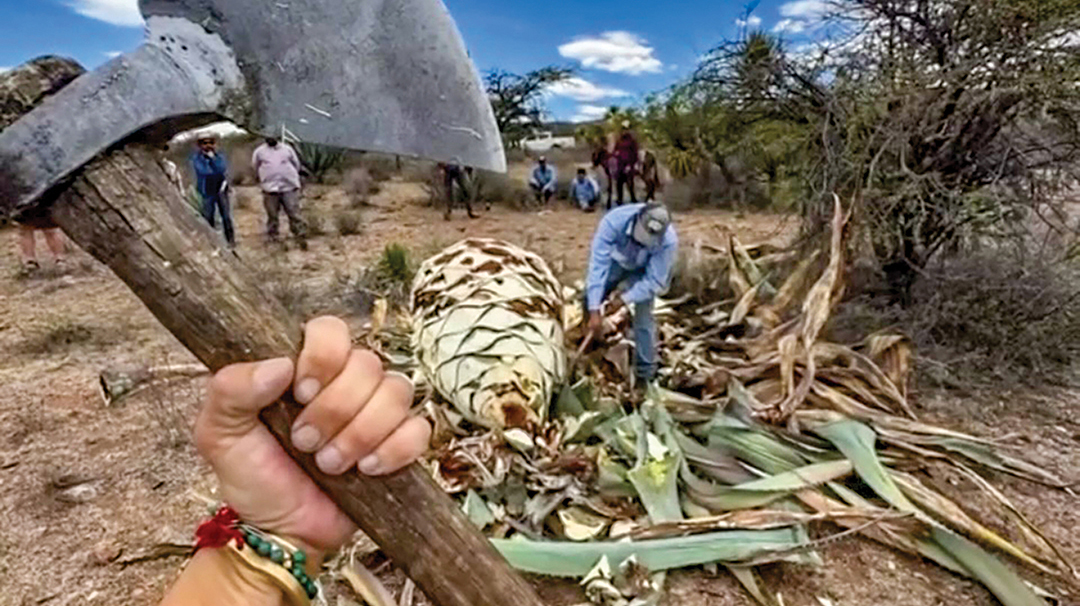
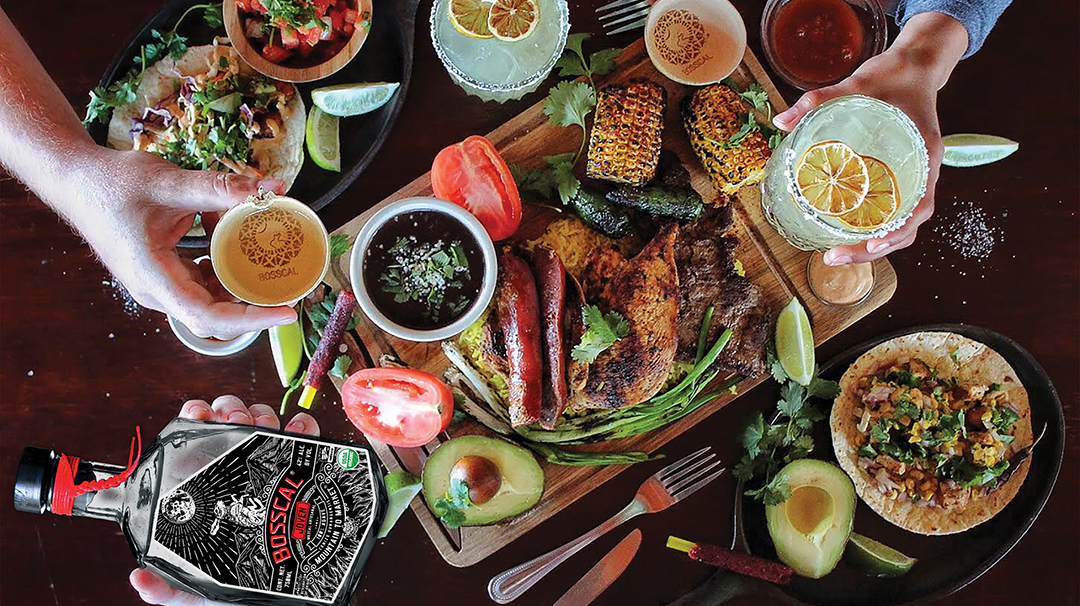
What set Bosscal apart from the start was restraint. Its “Mountain to Market” philosophy begins with wild-grown agave, selectively hand-harvested so clusters can continue to flourish, without synthetic pesticides or chemical additives. Fermentation occurs naturally without added yeast, and Nieves says Bosscal uses roughly 50 percent more agave per liter than standard practice. The agave is still roasted underground in earth ovens lined with volcanic rock – the same rock that inspired Bosscal’s craggy, patented “Elements” bottle.
That bottle carries its own mythology. A red string wound around the neck nods to the Red String Theory of Fate — the belief that we are connected by an invisible thread that may stretch or tangle but never break.
On the label, a rabbit recalls the Mexican legend of Conejo en la Luna: a god wandering Earth in human form becomes lost and hungry, and a rabbit selflessly offers itself as food. Moved by the gesture, the god raises the rabbit to the moon, where its silhouette remains.
“It reminds us to be kind to people, help each other out,” Nieves says.
Inside the bottle, the story gets even more interesting.
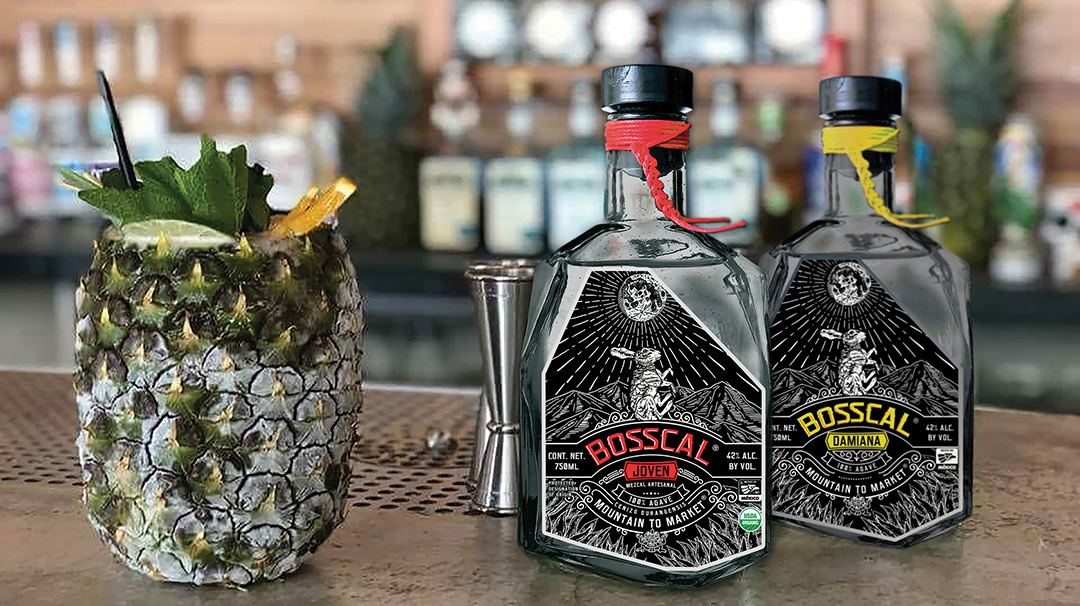
The original Joven is the purest expression of the agave; Damiana incorporates the aromatic flower long associated with northern Mexico; and Pechuga de Conejo reaches further into Durango tradition.
During its third distillation, seasonal fruits and botanicals are added while the vapors pass through a rabbit suspended above the still, an age-old pechuga technique traditionally reserved for celebrations. The resulting mezcal earned 95 points from Wine Enthusiast; Joven and Damiana scored 90 and 91 respectively.
For all that complexity, Bosscal is deliberately less smoky than many mezcals – approachable enough for a newcomer, but with plenty for an aficionado to contemplate.
The Plateau connection is Bill Edwards, Bosscal’s chief strategy officer and a partner in the company. After two decades running national accounts for Southern Glazer’s Wine & Spirits, Edwards joined Bosscal three years ago. He and his wife, Stephanie, have been on the Plateau for 15 years, with a home between Highlands and Cashiers.
“You’re drinking a 400-year-old artisanal spirit, and a little bit of history,” he says.
Locally, Joven is stocked at the Highlands and Cashiers ABC stores, with Damiana and Pechuga de Conejo available by special order. Around the Plateau, Edwards says Bosscal can also be found at The Ugly Dog Public House, The High Dive, Stubborn Bull, Oak Steakhouse at Skyline Lodge, Chile Loco, Hotel Cashiers, and Micas Mountain Kitchen – perhaps most accessibly in a Mezgarita, Bosscal’s smoky spin on the margarita.


Favorites Count: 0